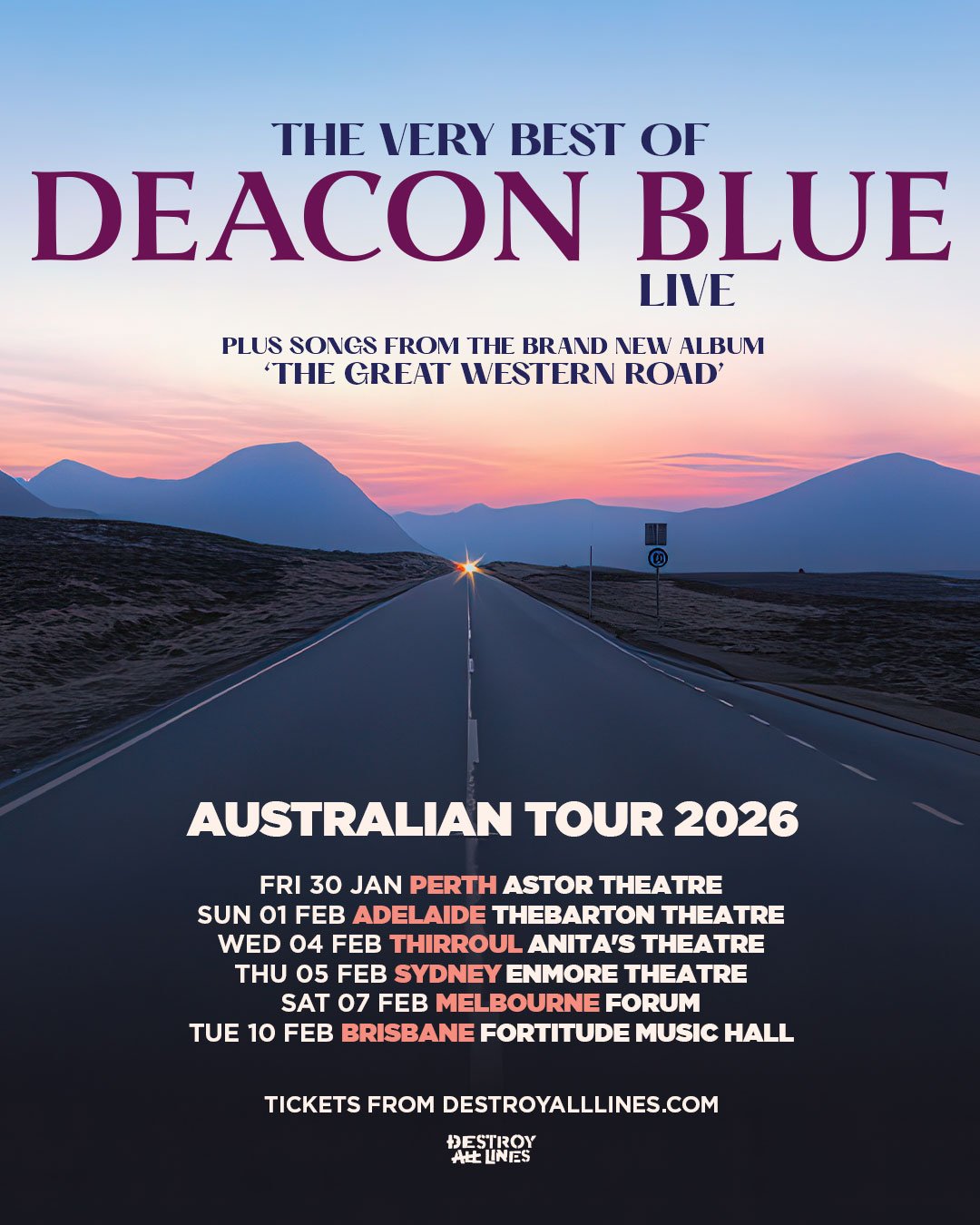
Deacon Blue - The Very Best Of Deacon Blue Live
A warm February evening wrapped the Enmore in that familiar pre-gig hum, the kind where the line outside feels like a reunion rather than a queue. By the time the doors opened, the theatre was already alive with chatter, glasses clinking, old friends spotting each other across the foyer. There was a sense of pent-up affection in the room, the feeling of a band returning not just to a venue, but to a relationship. By the time the lights dimmed for the support, the Enmore was filling fast, loud, and ready to be part of something rather than just watch it.
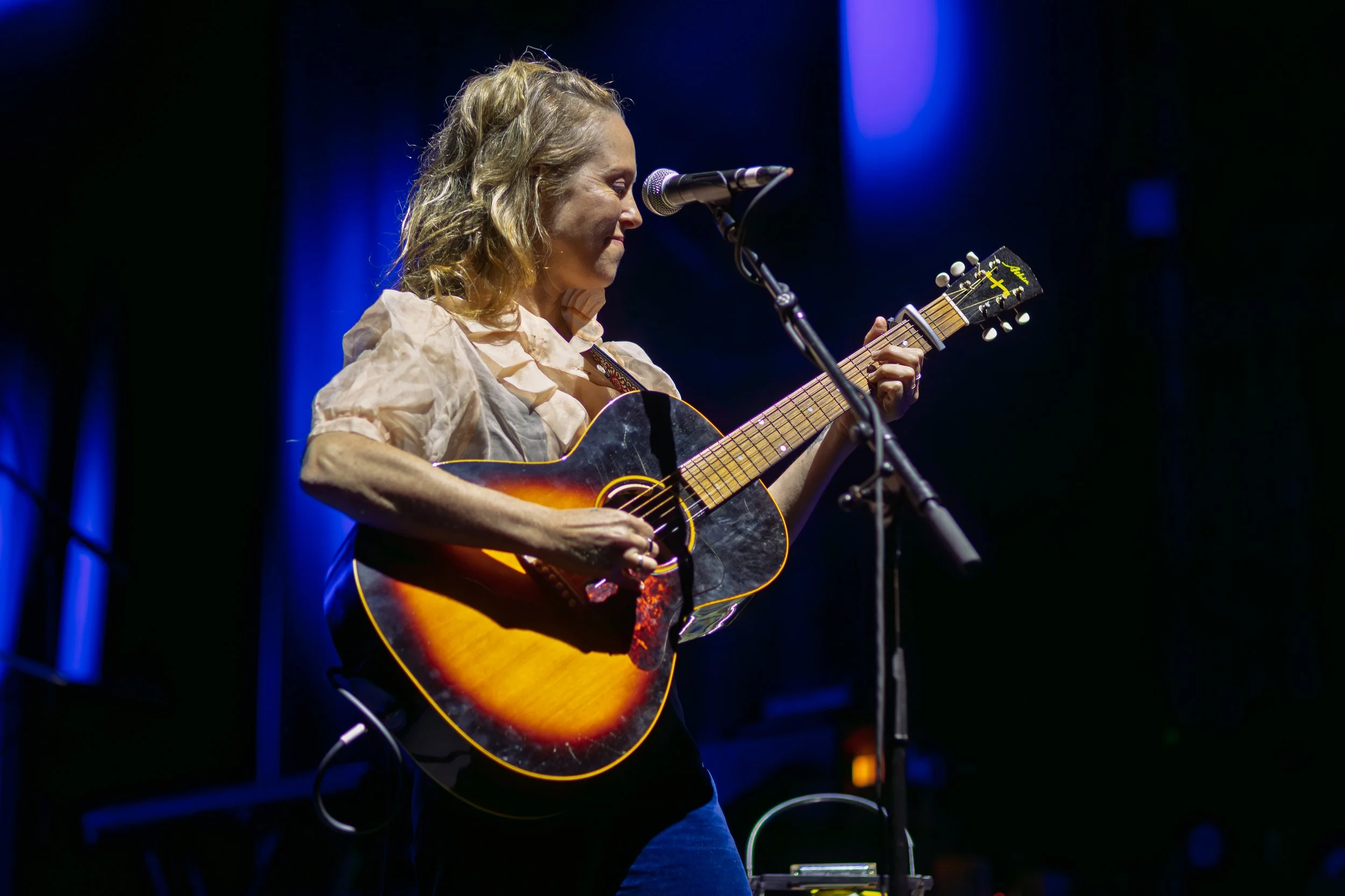
Emily Barker walked out alone into a calm blue wash of light, acoustic guitar resting easy against her frame, a single spot holding her steady at centre stage. No fuss. No theatrics. Just a mic, a stomp box, and the quiet authority of someone who trusts the songs. The crowd, still settling and still noisy, needed a gentle nudge. With warmth rather than edge, she smiled and reminded them there was “plenty of space at the bar if you want to talk,” before adding later, “I’m going to focus on those who are listening!” The line landed with a laugh, but it also drew a boundary. And once the listening started, it really started.
Anywhere Away, written for the Scottish film Hector, drifted beautifully through the room, a song about displacement and yearning that felt perfectly placed in a theatre full of people who had come to be exactly where they were. Sad Songs, from Fragile As Humans, carried the weight of family and lineage, the idea that we’re stitched together from those who came before us. Her voice was clear, unguarded, and emotionally precise as she sang about a first crush, the kind of memory that still hums quietly decades later. The applause after each song grew stronger, almost corrective, as if the room was saying sorry for not being fully present at the start.
Then came Machine. And the temperature shifted. Unaccompanied, Emily stepped away from comfort and into something braver. Just voice, clap, and stomp, a protest song shaped by parallels she’d drawn between Ava DuVernay’s 13th and what’s unfolding in the world right now. It was vulnerable, exposed, and fearless. The room fell completely still. Someone near the aisle muttered, “Bloody hell,” under their breath, and it felt like the only reasonable response. She closed with Wild to Be Sharing This Moment, teaching the crowd a simple refrain and inviting them in. They sang softly at first, then with warmth and conviction. She thanked the crew, thanked Deacon Blue for having her on the tour, promised we were in for something special, and left to a swell of genuine, appreciative applause.
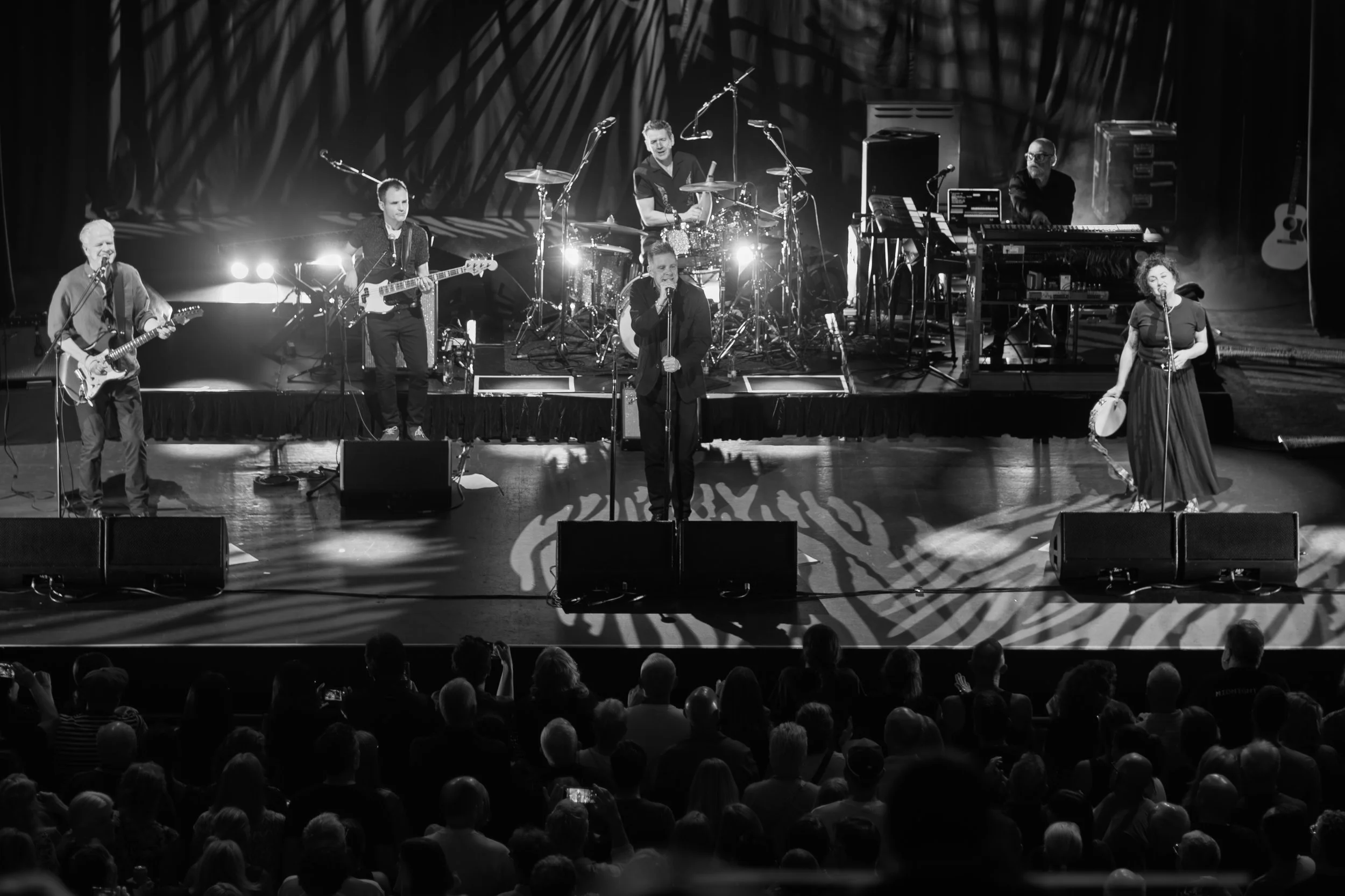
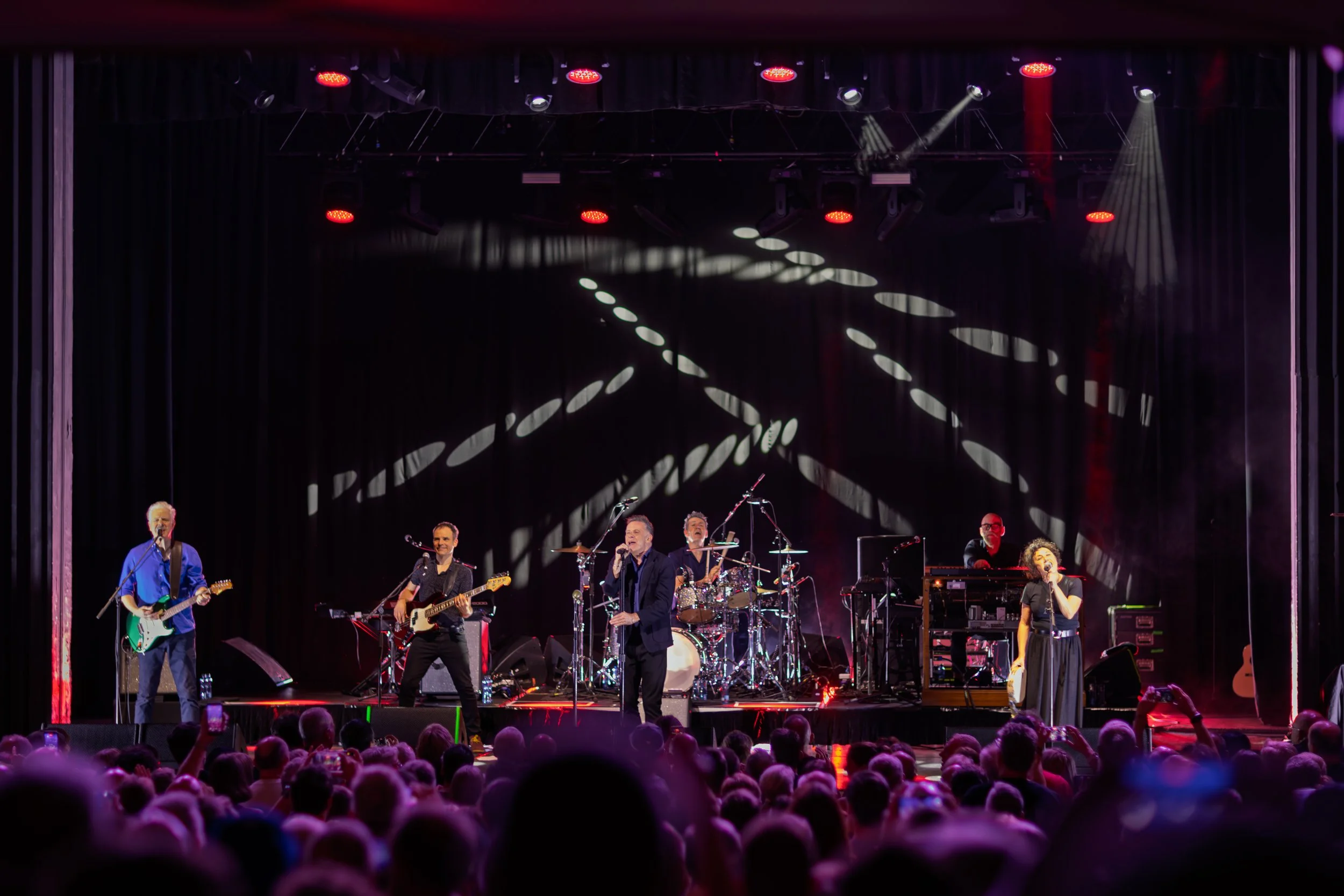
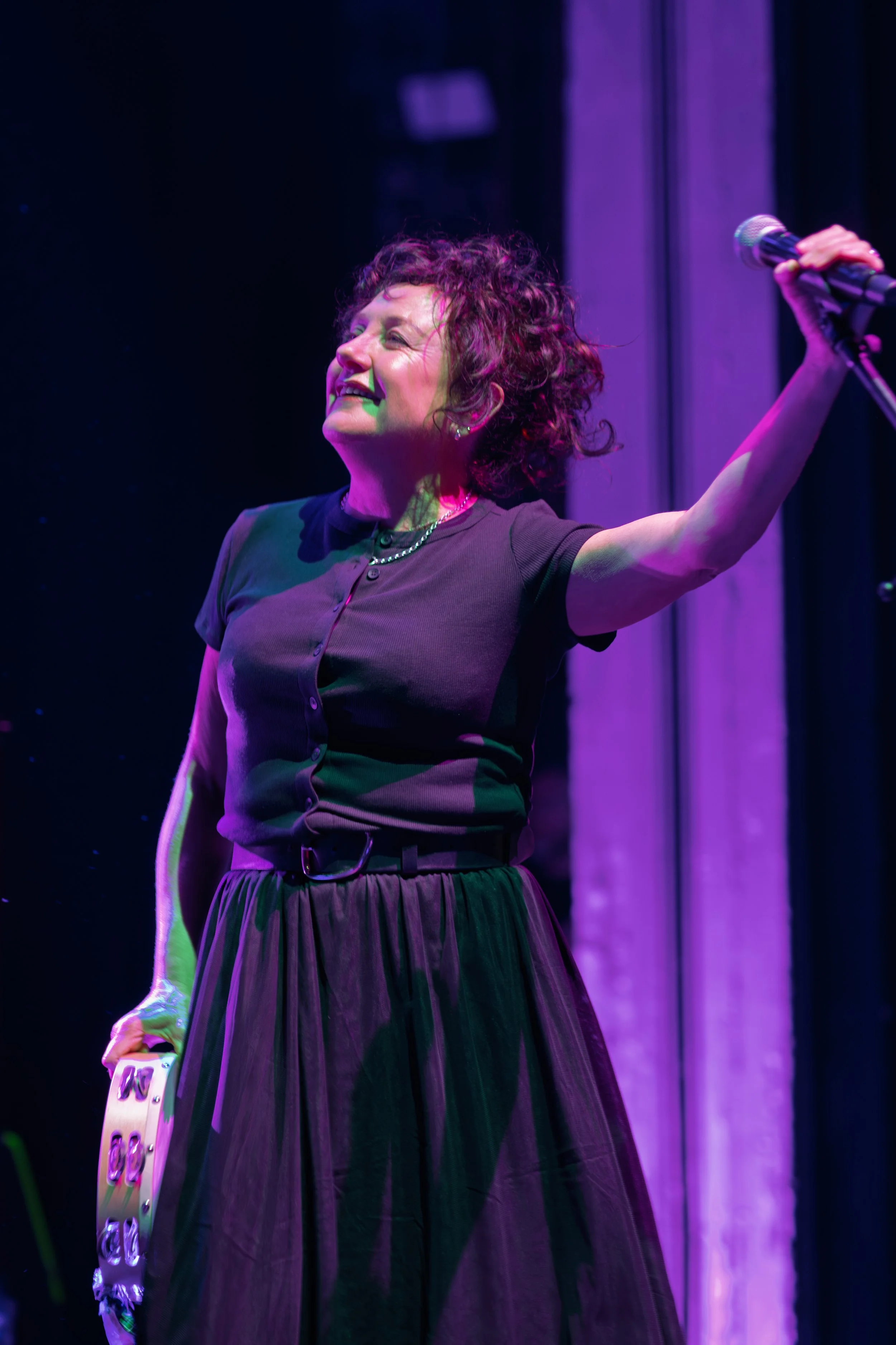
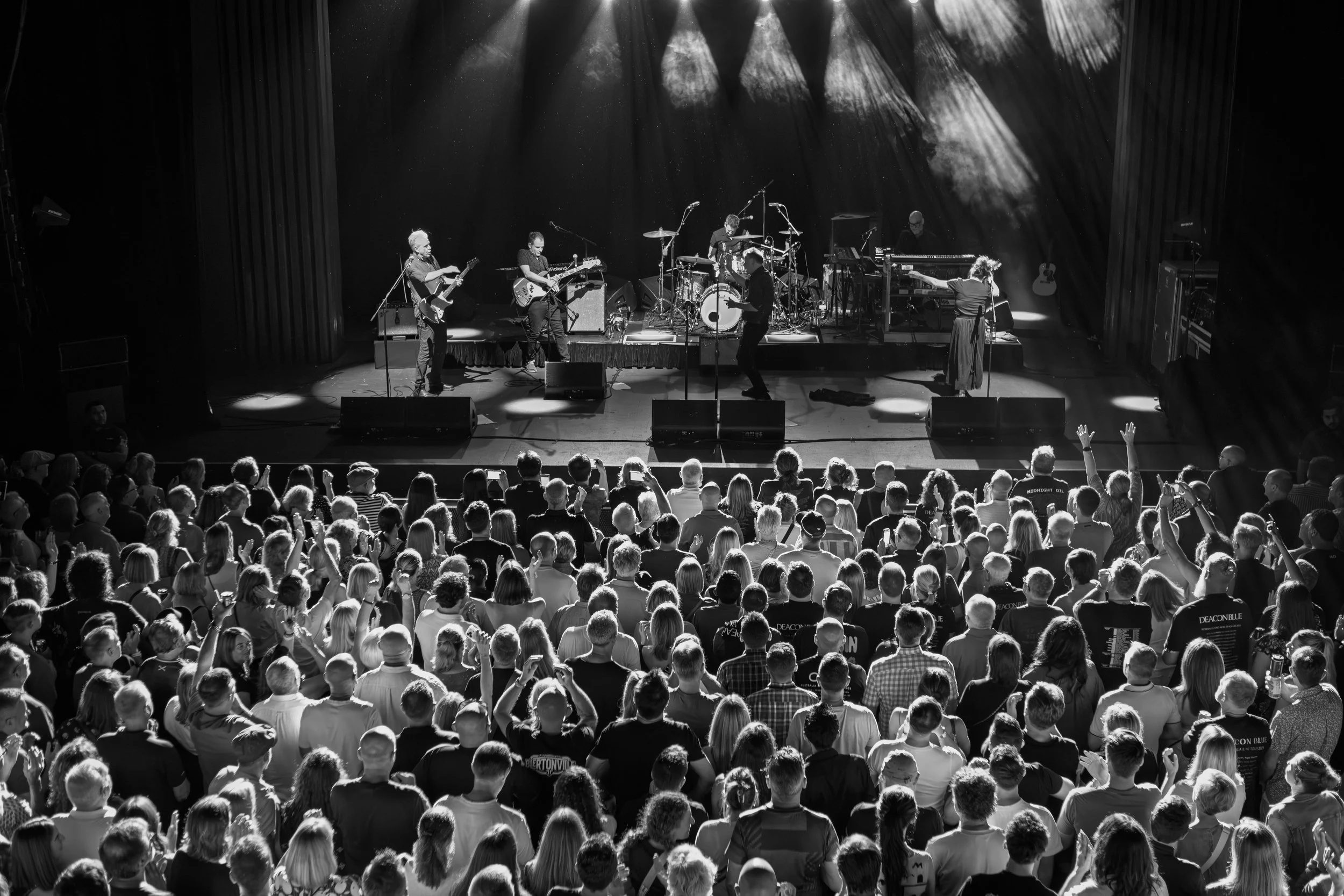
By the time Deacon Blue took the stage, the Enmore was heaving. What had been half full earlier was now packed tight with anticipation, and there was a certain good-natured rowdiness in the air. The band arrived smiling, energised, visibly delighted to be back. From the opening moments, there was a sense of forward motion and joy, the unmistakable chemistry of a group who know exactly who they are and still love doing this together. Lorraine McIntosh was electric from the outset, spinning, windmilling, lunging, dancing like someone who had waited all day for this precise release.
Ricky Ross welcomed the room like old friends. He told us they were here to take us on a journey, with songs we’d know, old ones we might not, new ones, and some bangers. He joked about how good it was to be back in Australia without it taking thirty years, then turned reflective without losing the humour. The lunatics, he suggested, had taken over the asylum while they were away, but we’d get the car keys back eventually. Tonight, though, was about compassion, unity, love, and brothers and sisters. Sister Lorraine, he grinned, might even lead the Salvation Army, supported by the Sydney Community Choir. The choir, it turned out, was all of us.
When Fergus Sings the Blues arrived, the place erupted. Balcony bouncing, floor moving, voices lifted in a full-bodied singalong that felt less like nostalgia and more like ownership. “I’ve waited years to hear that live again,” someone behind me shouted, beaming at no one in particular.
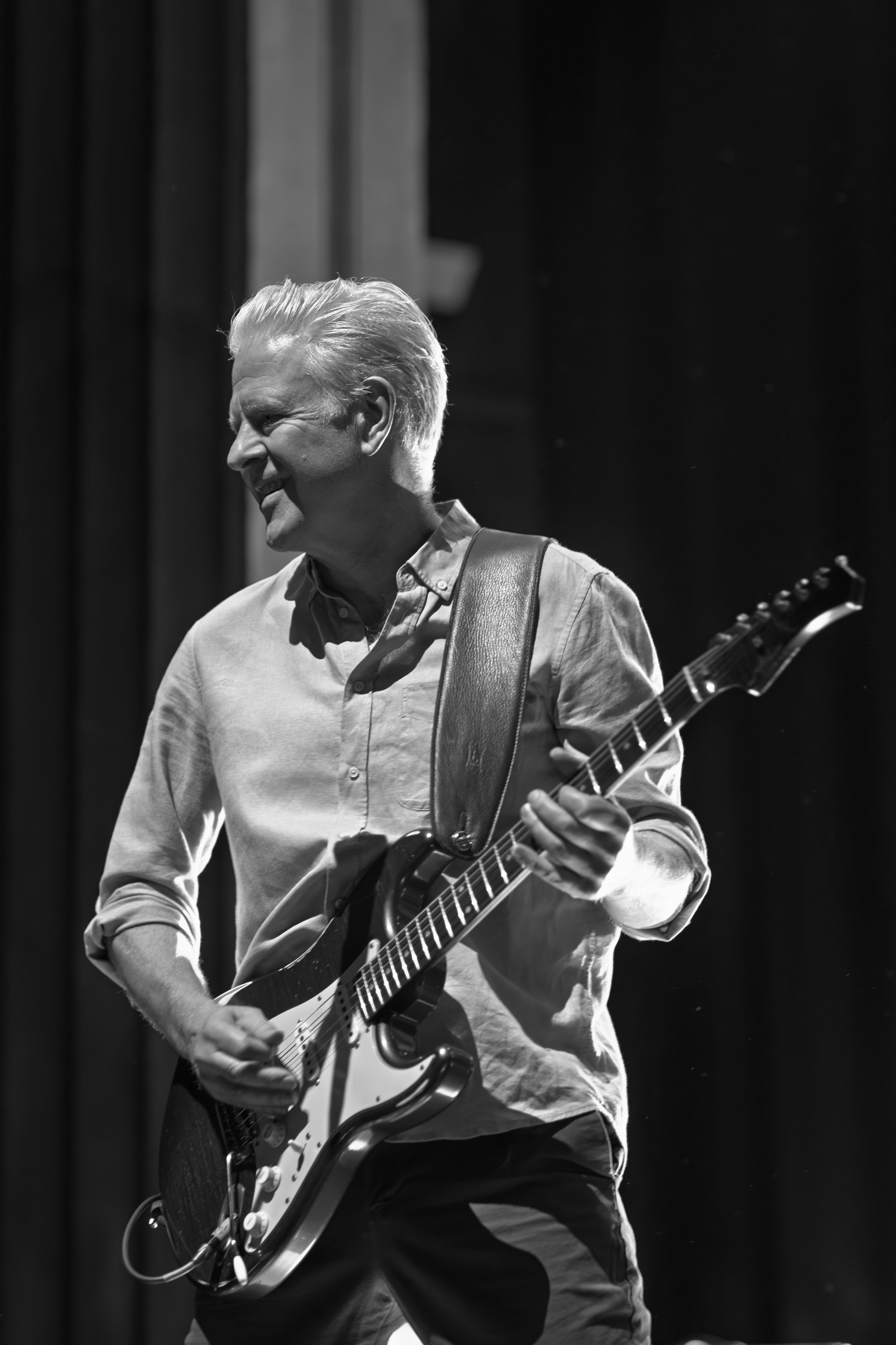
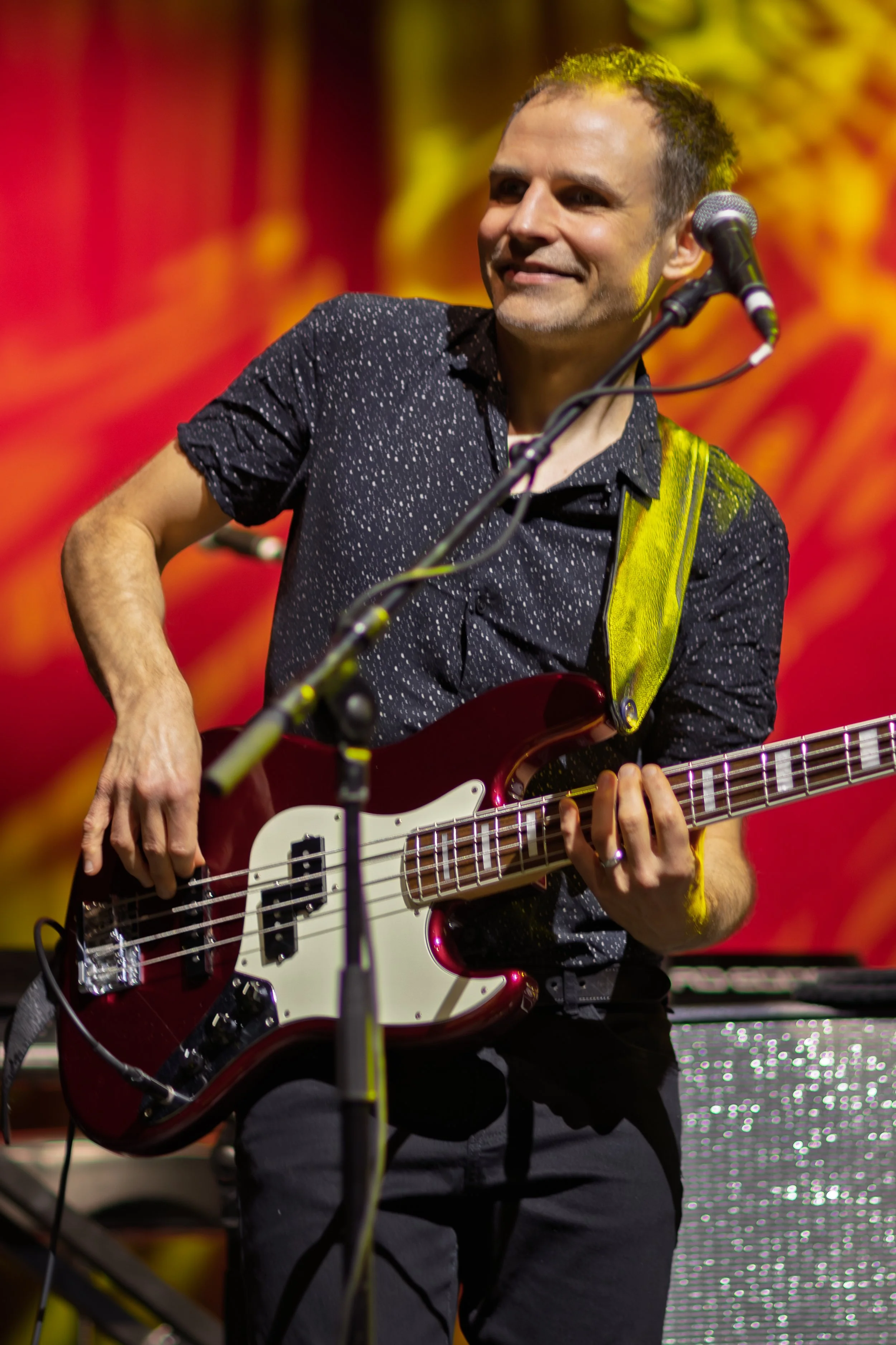
The band dialled things back exquisitely for Cover From the Sky. Ricky and Gregor switched to acoustic guitars, Dougie traded sticks for a shaker, Brian and Lewis laid down piano and bass that soared without ever crowding the space, and Lorraine stepped forward to take the lead vocal. The cheer she received said everything. The harmonies wrapped around her voice, tender and perfectly weighted.
Midway through the set, Ricky paused. He spoke quietly about a year they never wanted to repeat, about losing their great pianist and friend James Prime. He remembered standing together at the front of the stage in Australia in 1989, Jim saying simply, “This is Australia.” He would have wanted to be here. How We Remember It was dedicated to him, the applause arriving before the first note, heavy with respect and gratitude.
The opening bars of Chocolate Girl barely had time to land before the theatre exploded into whistles, screams, and dancing. Halfway through, the band slipped seamlessly into Dionne Warwick’s I’ll Never Fall in Love Again, every member singing, harmonies blooming unexpectedly, before gliding back into Chocolate Girl as if the detour had always been part of the map.
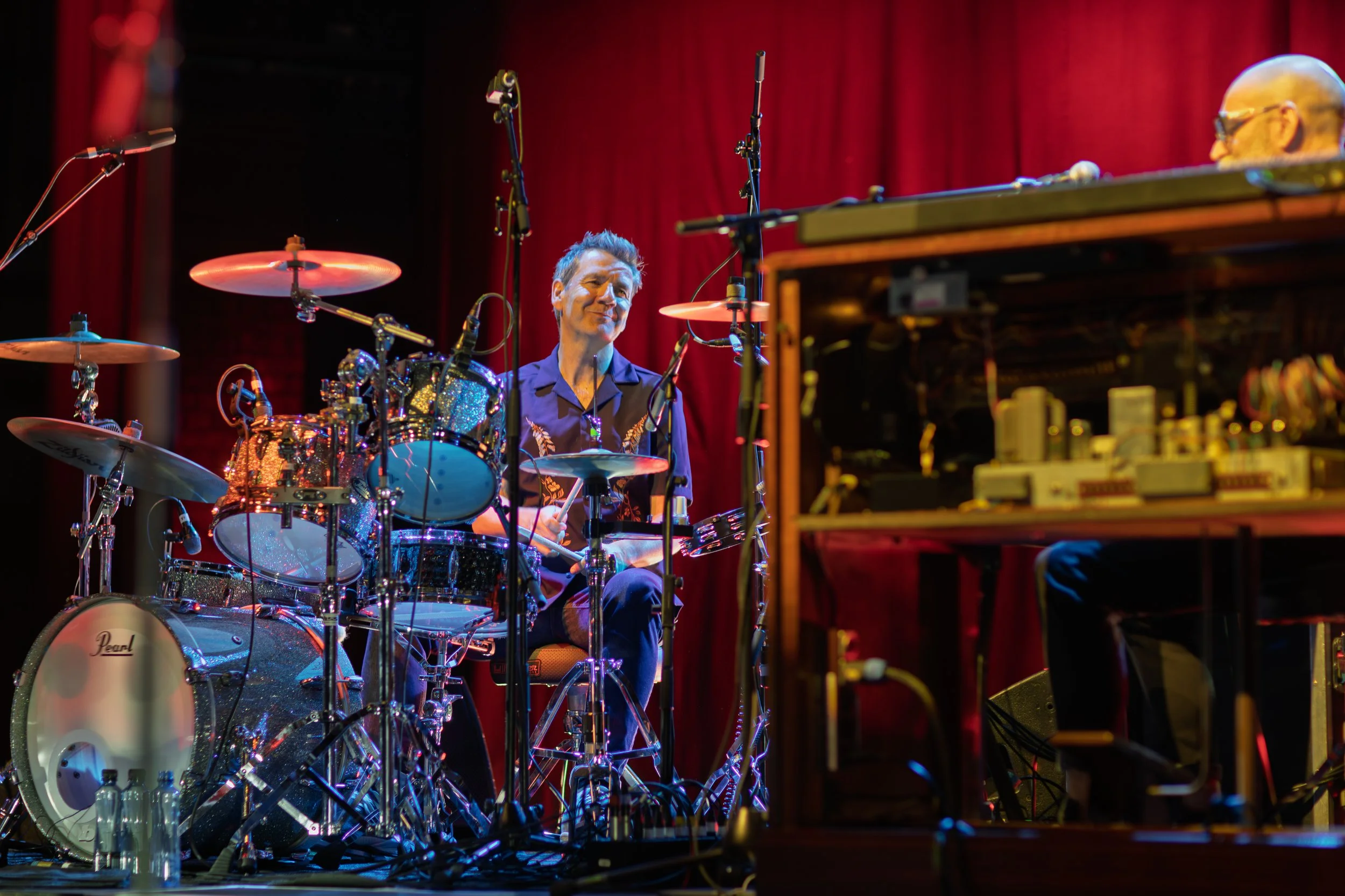
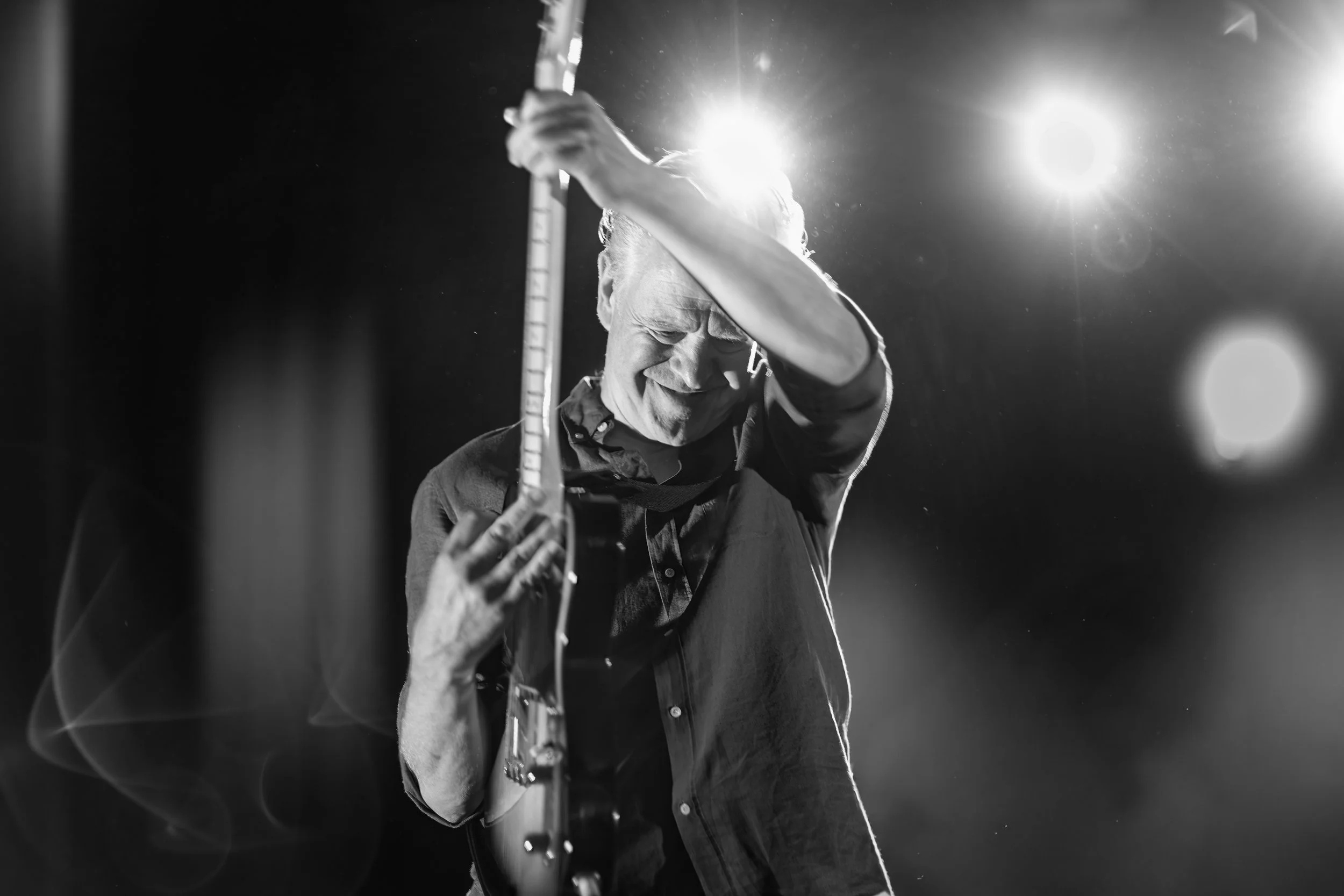
From there, the night tipped fully into celebration. Wages Day turned the Enmore into a bouncing party, not just in the audience but on the stage too. The chemistry was unmistakable, transitions flawless yet never clinical, everything tight without ever feeling constrained. Ashore drove hard and true, Gregor and Lorraine back on acoustics, Ricky slinging a flameburst Telecaster, Dougie riding the floor tom as piano shimmered above it all.
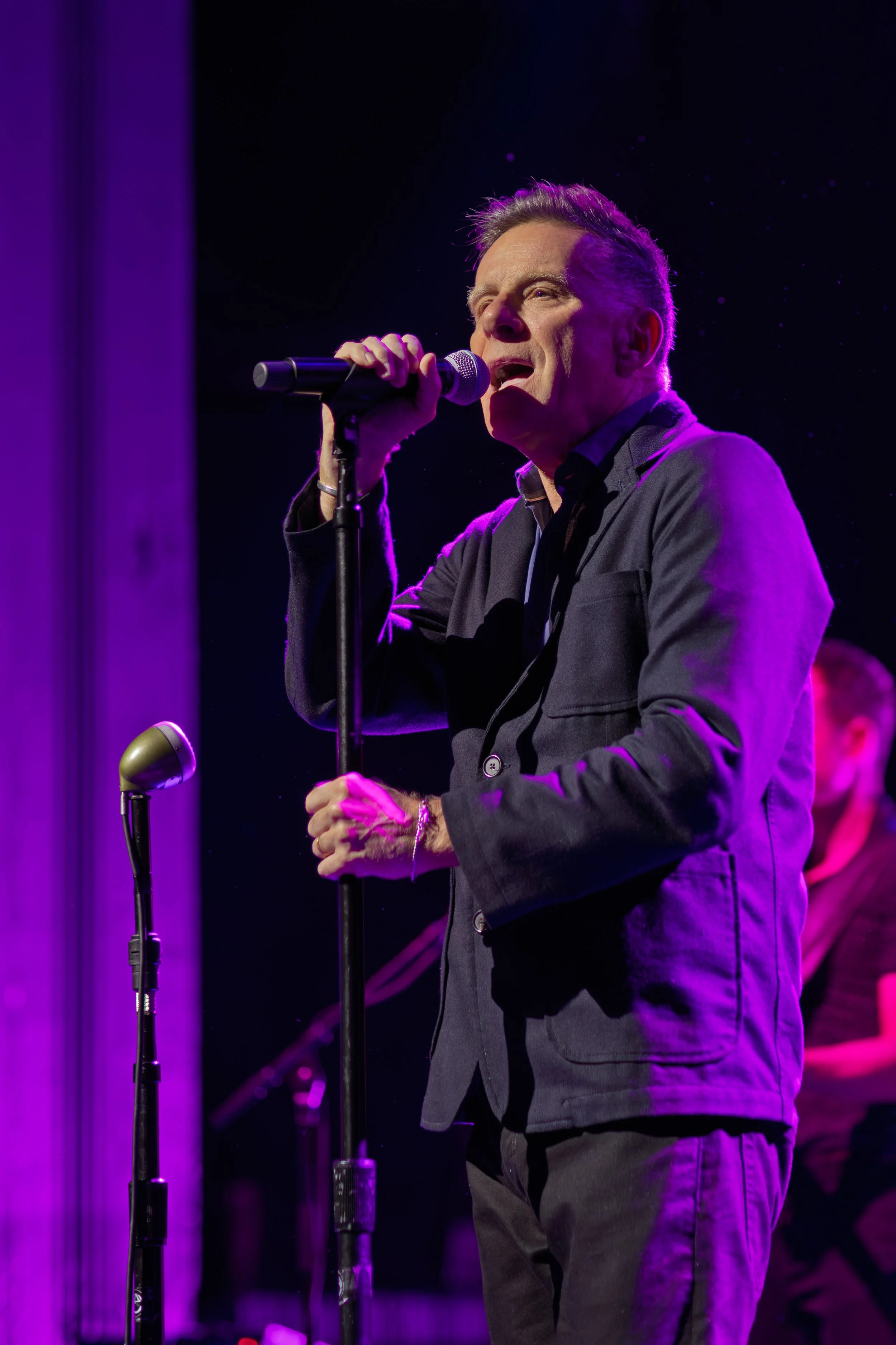
For Your Town, Ricky leaned into a Shure Green Bullet mic, its grainy, echo-soaked tone giving the song a cracked-radio intimacy that felt both nostalgic and urgent. Then came Loaded, introduced with a reminder that singing together has always been a way to find power. This one, he said, was for the girls and women who have been exploited and fucked over by people like Epstein. The crowd needed no second invitation. They sang in full voice, fists raised, unity loud and unmistakable. “This still hits,” someone near the front said, eyes shining.
Ricky returned to the piano for When Will You, the audience clapping and singing as Brian answered on Hammond organ, call and response building patiently to a huge finish. The harmonies throughout the night were extraordinary. Two, three, four, sometimes five voices finding places they shouldn’t quite fit, and somehow fitting perfectly.
Before The Great Western Road, Ricky told a longer story. About Glasgow. About always meeting at the same pub after gigs, always turning right when they left. Turning right took them into the fashionable parts of the city. If that didn’t suit, you could keep going, take the road out of Glasgow, play somewhere else. They never turned left. Only later did he realise that turning left would have taken them past Loch Lomond, up through Glencoe, out to Skye, maybe even Harris. Some of the most beautiful places in the world. Sometimes, he said, you have to take the road you don’t know. There’s always a sunset at the end of it. The song unfurled like one, reflective and hopeful, and stayed with you.
If the night had a peak, Real Gone Kid was it. The entire balcony on its feet, the floor bouncing, the Enmore itself seeming to move. At the end, the band came forward, knelt, bowed deeply, and still the crowd demanded more, pushing them back into a few extra choruses that felt as much like thanks as encore.
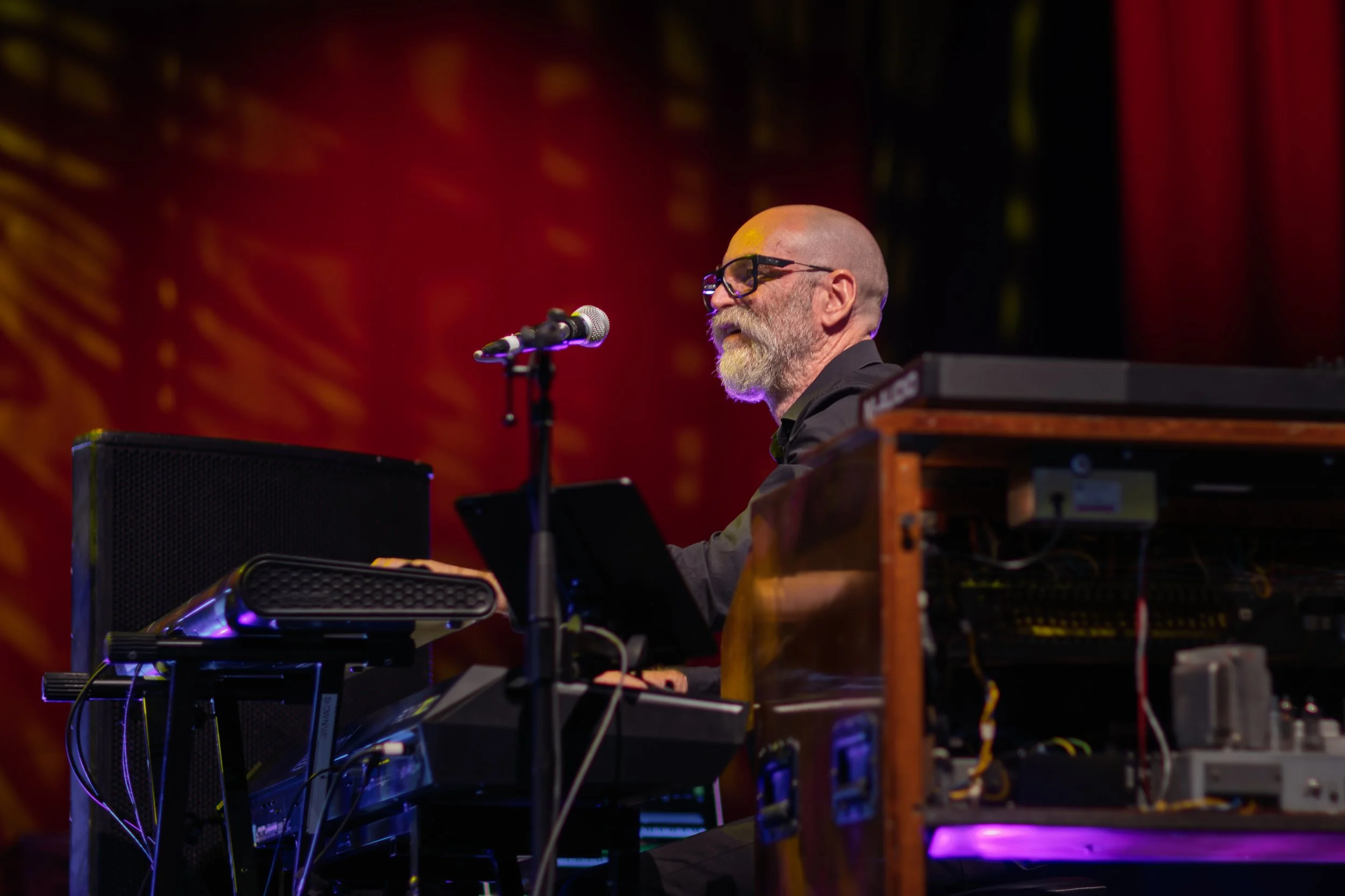
Ricky asked if we could manage the first verse of Dignity. The response came back word for word, like the room had been holding it in since the last Enmore show in 2023. People Come First followed, its message echoing everything the night had quietly and not so quietly stood for. Band introductions came with genuine affection, thanks delivered from the heart.
“We honestly didn’t know if you’d remember us,” Ricky said, smiling. “This is for you.” Keep Me in Your Heart was stripped back and devastatingly beautiful. Dougie stepped away from the kit to take a lead vocal that stopped people cold. Gregor followed. Brian’s piano glowed softly beneath it all. Each voice stepped forward, then folded back into five-part harmony on the line “keep me in your heart for life,” before the Enmore took the final chorus entirely on its own.
The band stood arm in arm, soaking it in. Some people wiped their eyes. Others simply stood still, not wanting to break the spell. Long after the lights came up, the feeling lingered.
Outside, in the warm Sydney night, a cluster of voices rose again. Laughter, harmony, and a familiar melody drifting down Enmore Road as a few members of the Sydney-Scotland community choir kept singing Fergus Sings the Blues, as if the night simply wasn’t ready to end.
Some concerts entertain you. Others remind you who you are when you’re singing with strangers who feel like family.
Keep me in your heart for life.
Thank you to Deacon Blue, Emily Barker, Destroy All Lines, John Howarth and the Enmore Theatre for having us along.
Review & Photos by Andy Kersahw for Music Kingdom Australia