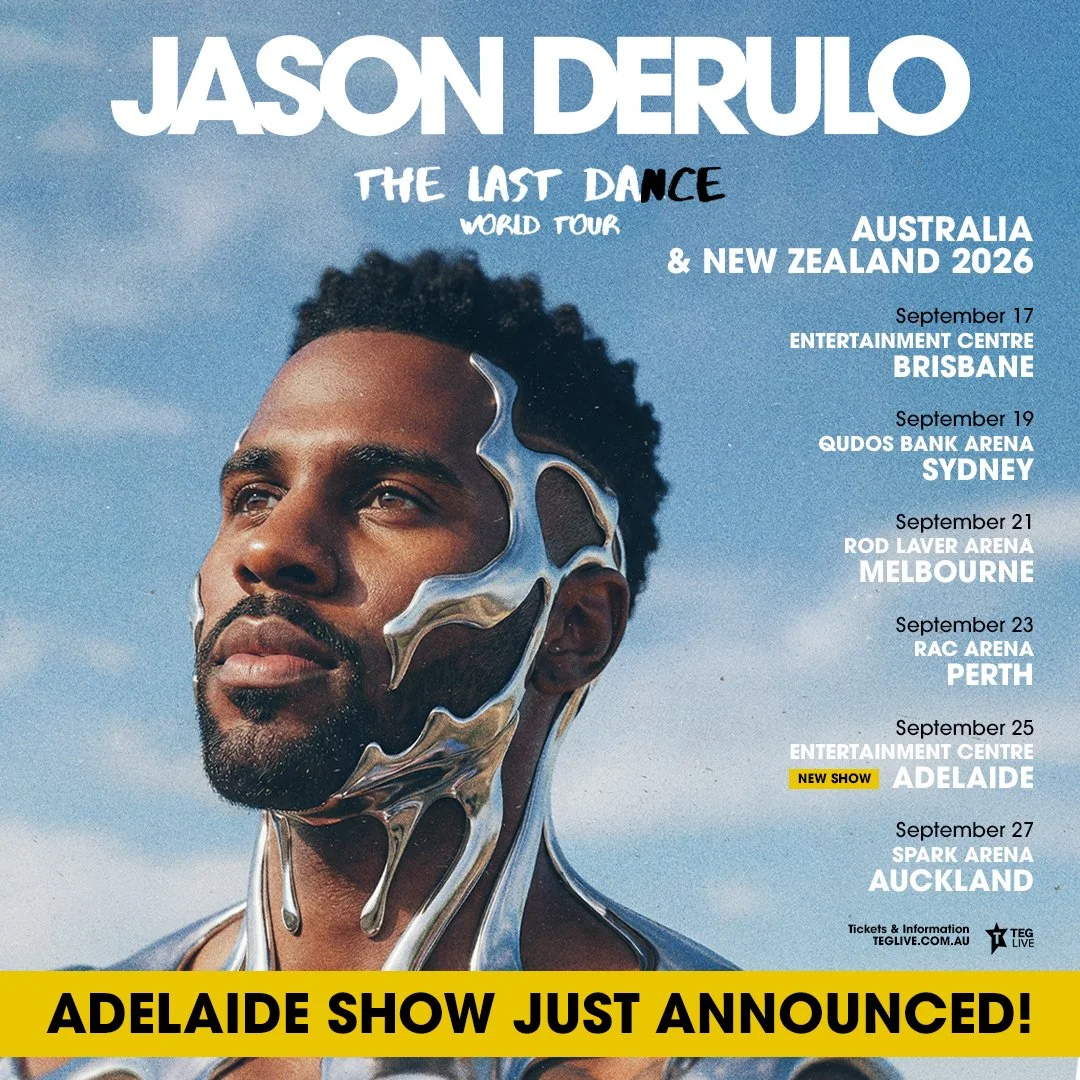
Jason Derulo - The Last Dance World Tour - Sydney
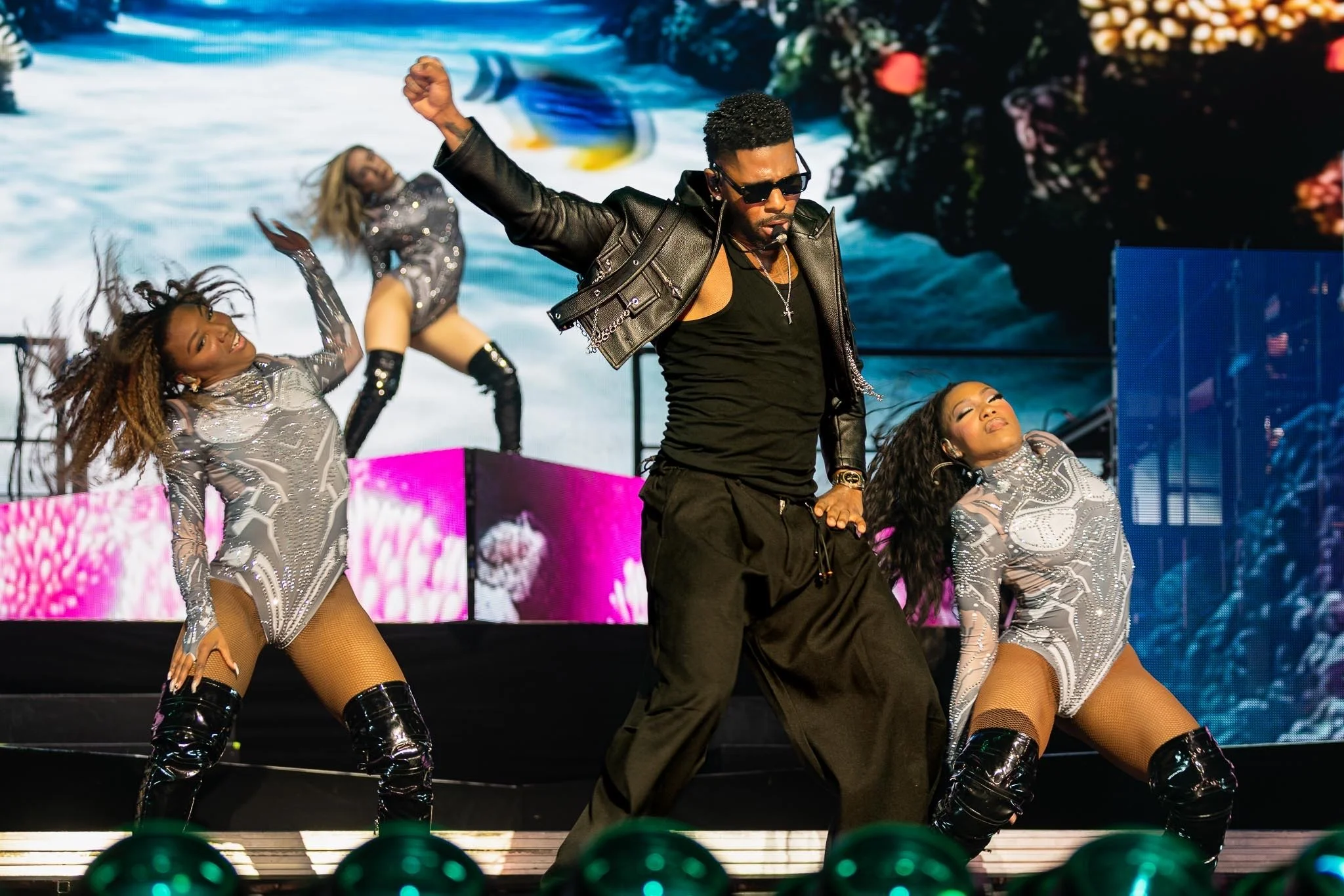
Jason Derulo did not come to Sydney to play a concert. He came to build a nightclub, a jungle, a volcano and, for a couple of hours, his own ridiculous little universe.
Olympic Park already had that unmistakable Saturday-night buzz long before the house lights went down. Streams of people were heading towards Afterpay Arena and, if there was an unofficial dress code, nobody had bothered to send me the memo. Silver appeared to be strongly encouraged. Sparkles were even better. Beyond that, anything went. The crowd was wonderfully eclectic, spanning generations, cultures, shapes and sizes, from diehard pop fans to parents, couples and groups clearly ready for a very big night out. What united them was enthusiasm. There was very little cool detachment in this room. People had come to dance, sing, scream and, judging by some of the outfits, possibly be visible from the International Space Station.
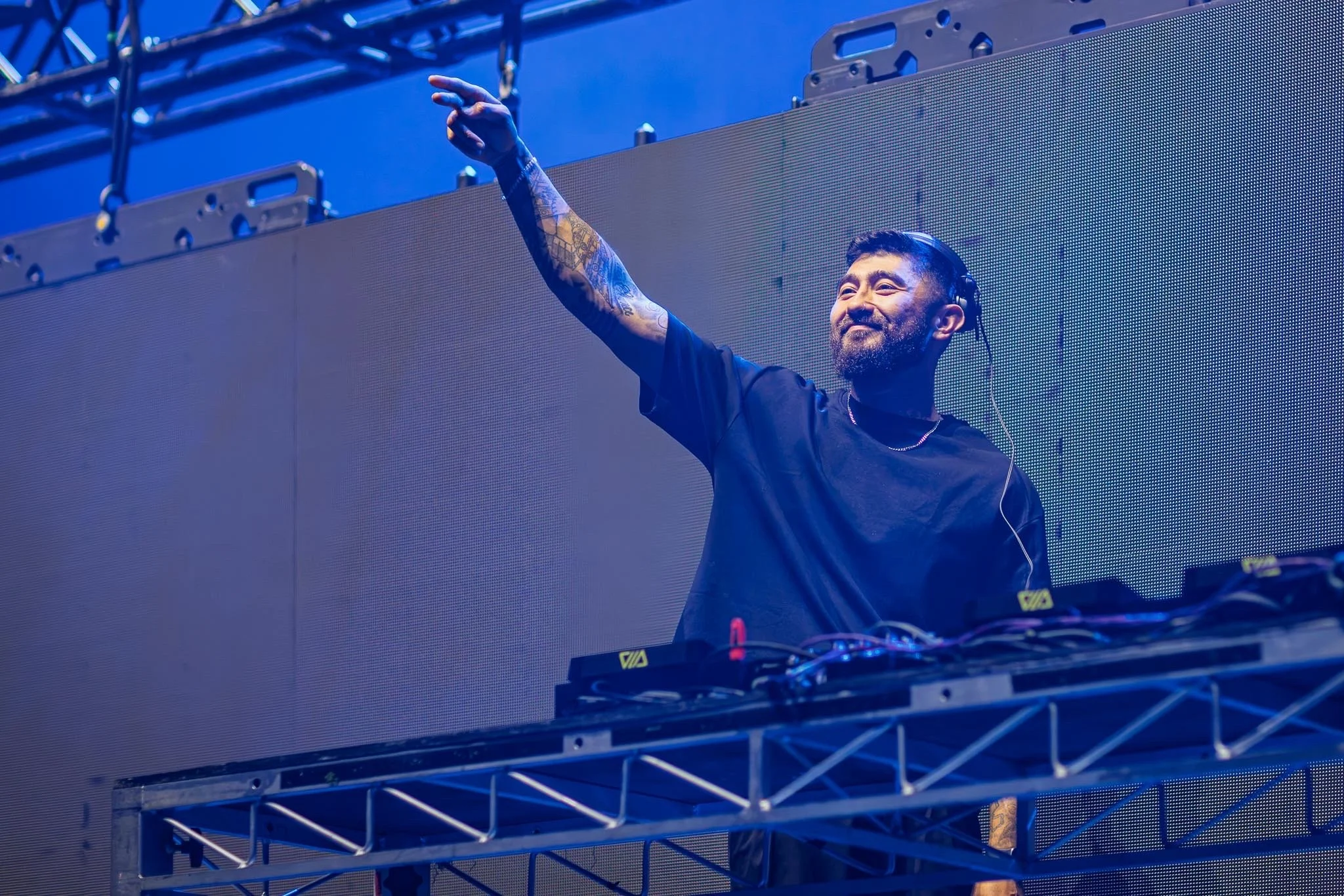
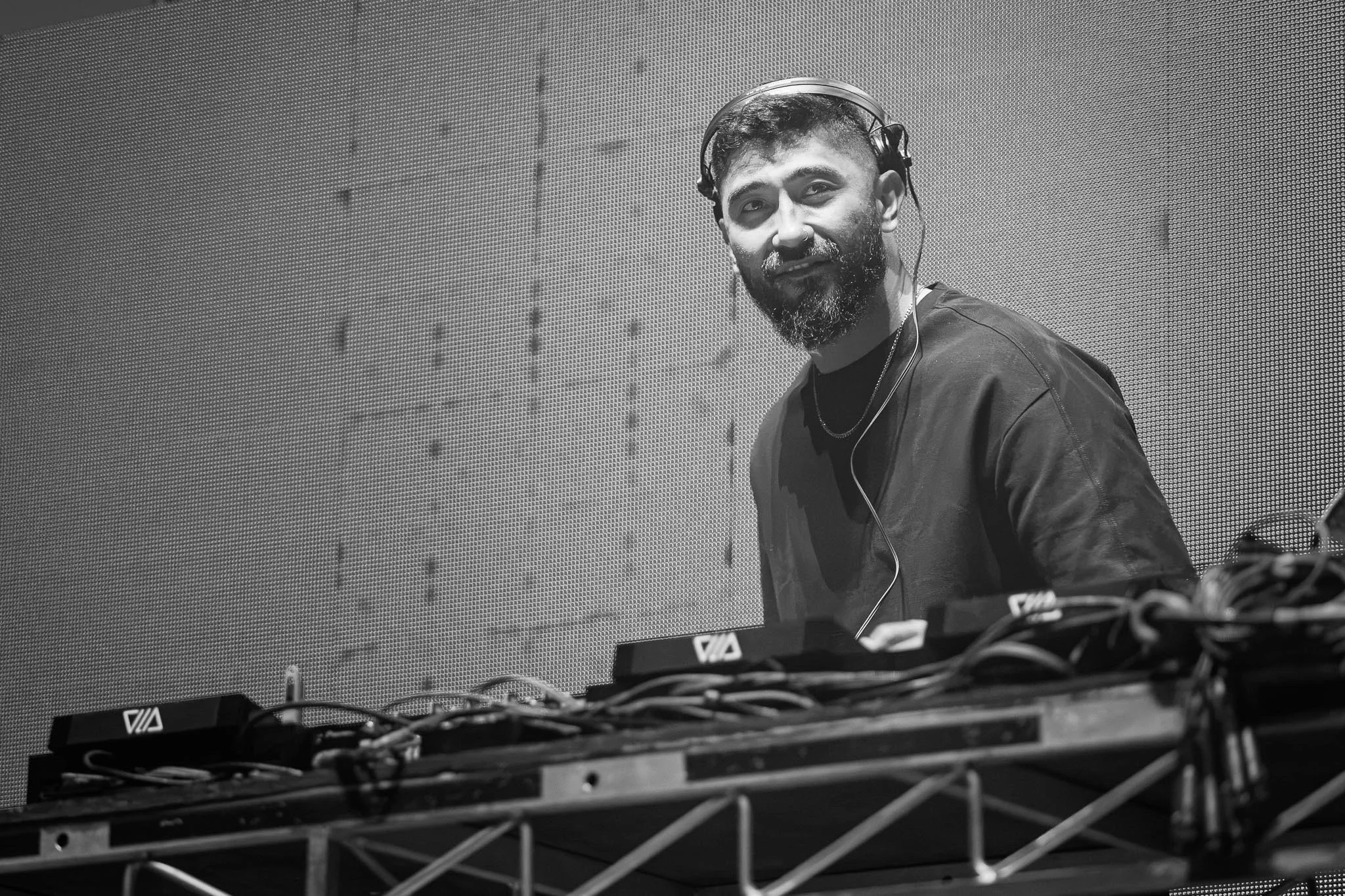
The job of turning those steadily filling seats into a party fell first to Australian DJ and producer Josh Fawaz. There was no band, no elaborate scenery and no attempt to compete with the production waiting behind him. Just one man, a stage, a huge smile and what, in my increasingly ancient vocabulary, I would still call a set of decks. I am reasonably confident they are considerably more sophisticated than the ones I remember from a couple of decades ago.
Fawaz pitched it perfectly. His mix of accessible deep and tech house, familiar vocal hooks and reworked pop songs gave people something to grab onto immediately. Much to my surprise, as someone whose clubbing career has been dormant for long enough to qualify for heritage protection, I seemed to know more of his material than I didn’t. Around me, people arriving with drinks in hand would suddenly stop halfway down an aisle when something familiar dropped. “Oh, I know this one,” came from behind me, followed a few minutes later by the slightly more committed, “Actually, this is really good.”
More importantly, Fawaz looked as though he was having an absolute ball. That enthusiasm travelled. Arms gradually started appearing above heads, shoulders began moving, and a room that had initially felt like thousands of separate people finding their seats slowly started behaving like a crowd. By the time he finished, the place was warm, receptive and ready.
Then the stage went dark.
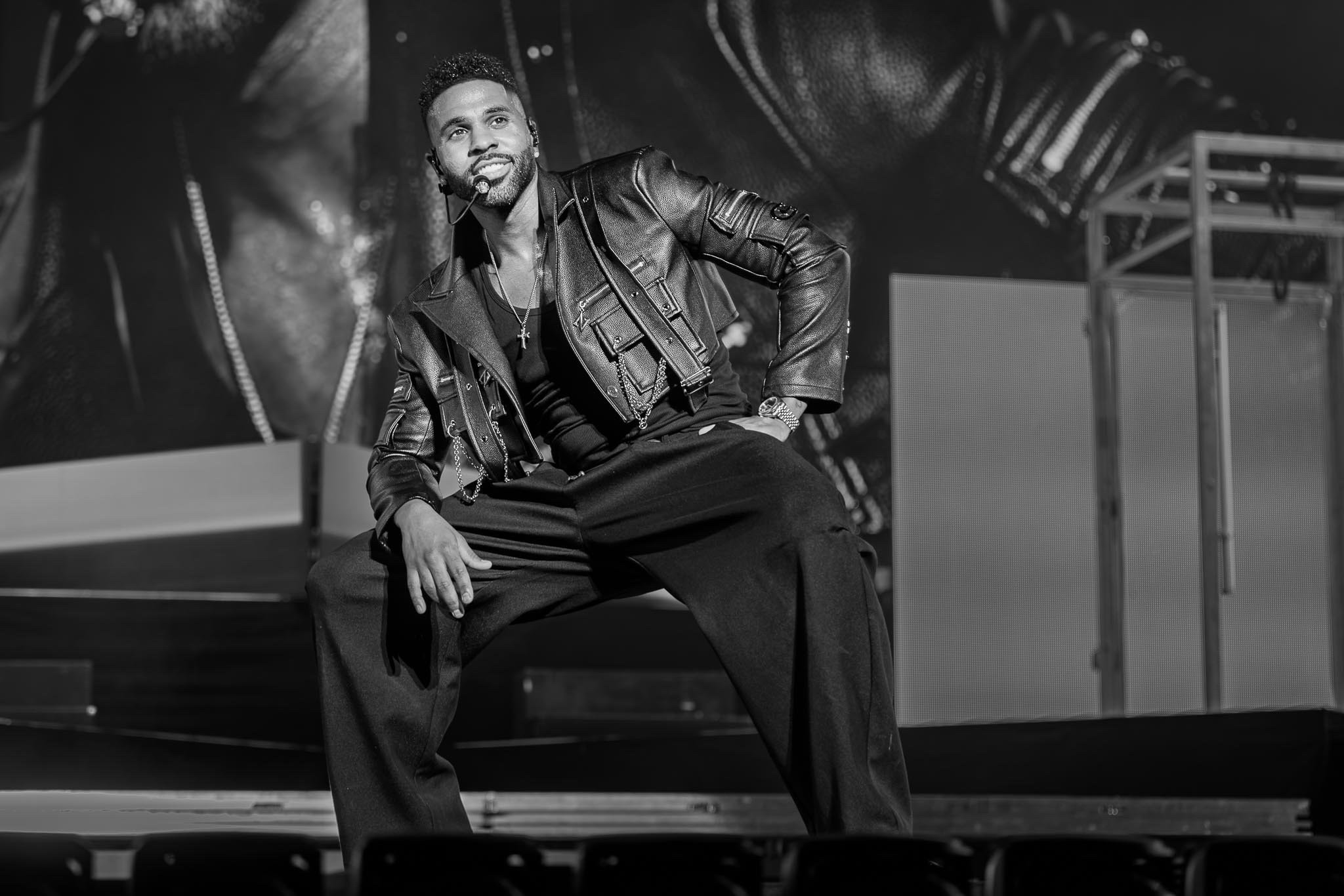
Rather than immediately revealing the man everyone had come to see, Jason Derulo’s DJ kept turning the screw. Half a dozen party tracks rolled through the arena while he periodically emerged from the darkness to conduct the crowd, demanding a little more noise each time. The response grew louder, the anticipation tighter, until the evening’s mission statement finally arrived.
“Welcome to Club Derulo.”
Not that there was ever much danger of forgetting whose club it was. Derulo has, after all, built one of pop music’s most recognisable calling cards around announcing his own name in his songs. And he does it. A lot. “Jason Derulo” appears with such regularity that you could be forgiven for thinking he remains concerned that thousands of ticket holders may have wandered into the wrong arena by mistake. There was absolutely no doubt who we were seeing.
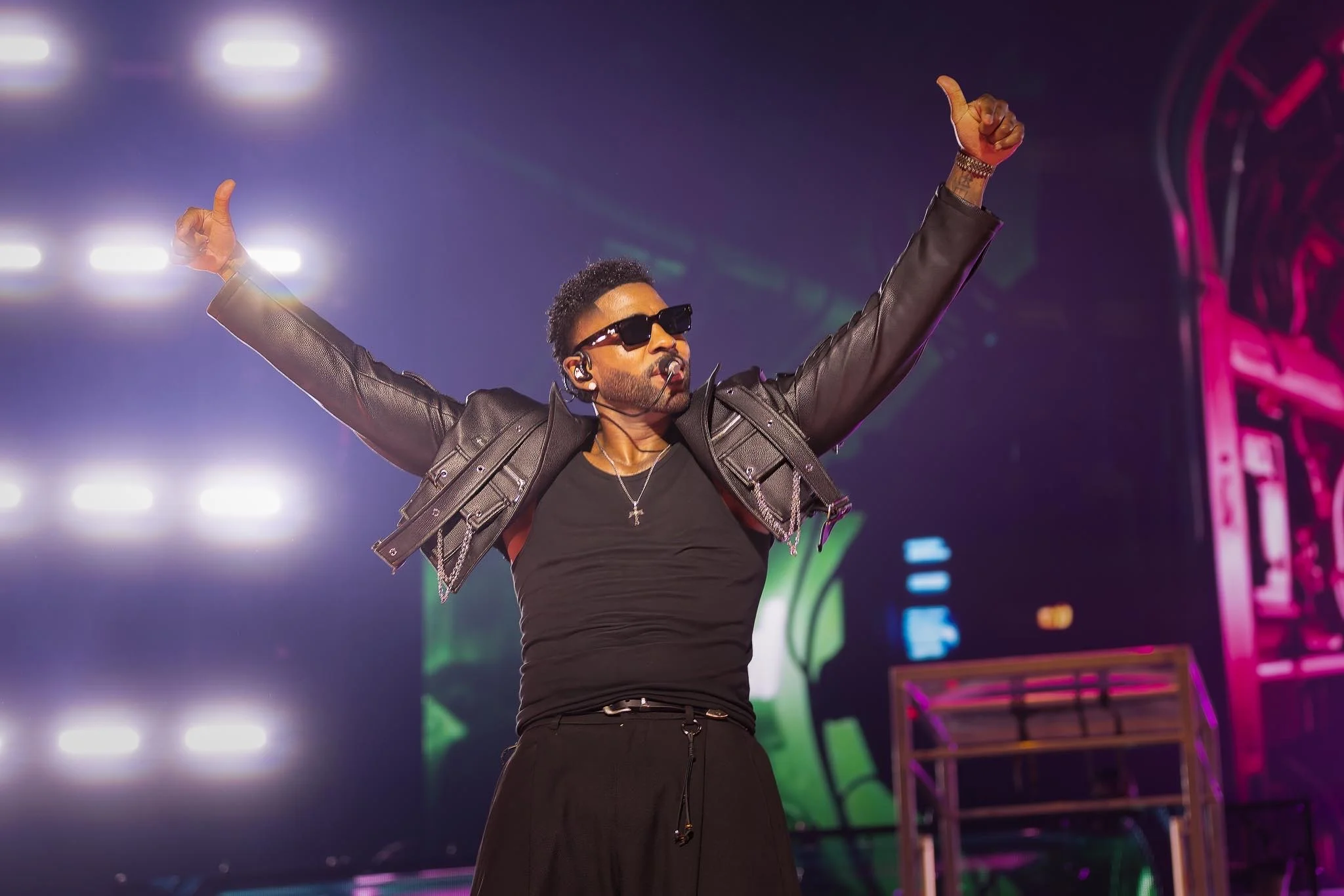
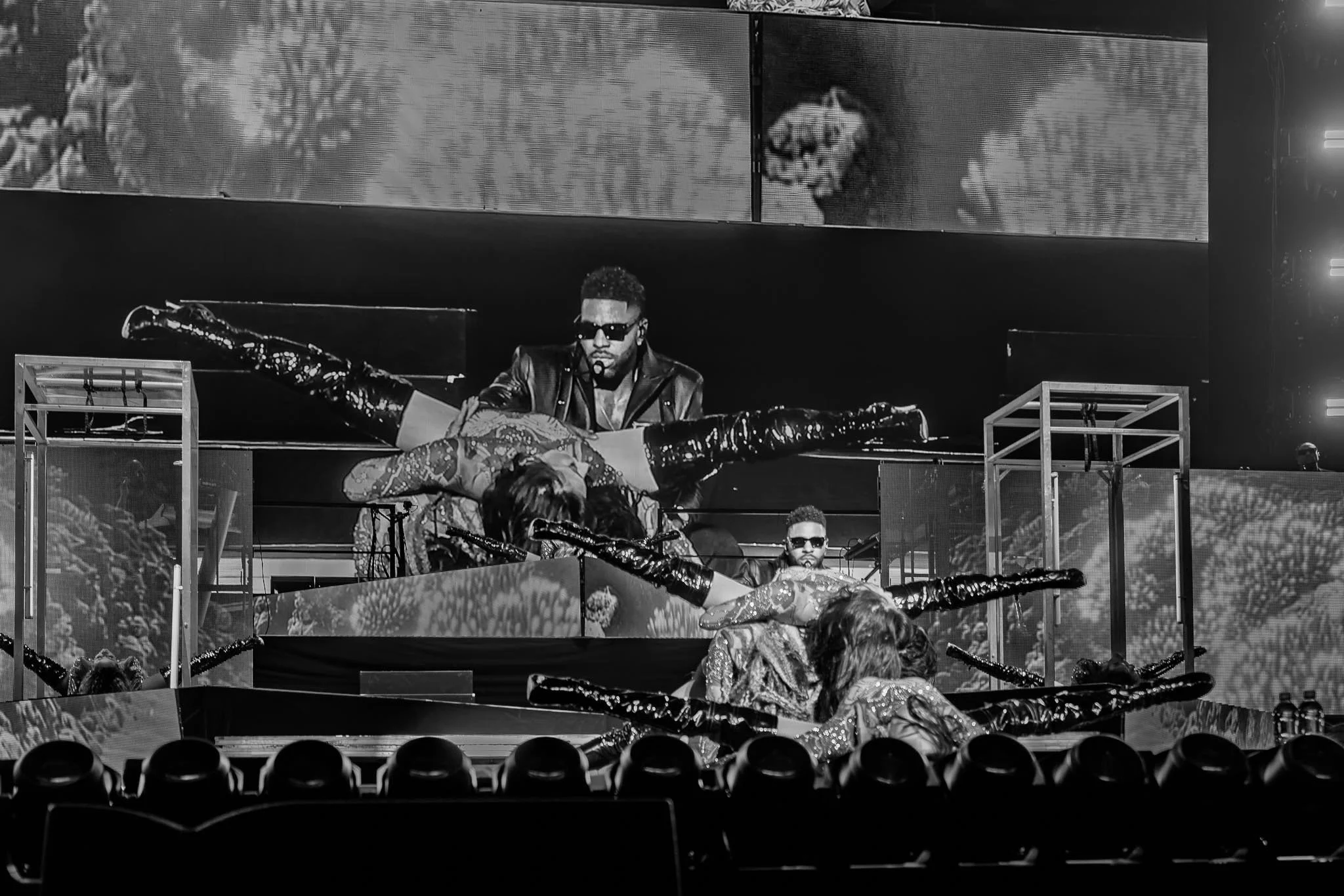
What followed was less a conventional pop concert than an extraordinarily polished live production built around movement. Derulo was obviously the focal point, but everywhere you looked something was happening. Male and female dancers flew across the stage through breakdancing, gymnastics, tightly synchronised choreography and routines that occasionally ventured considerably further into the adult end of the dancing spectrum. There really was something for everyone.
And Derulo himself was no passenger. There is an unmistakable Michael Jackson influence running through parts of his movement, particularly in the poses, isolations and sharp precision, but he has enough identity of his own for it never to feel like imitation. Surrounded by dancers operating at an almost absurd level, he still belonged right in the middle of them, singing while executing choreography that would have left most of us requiring oxygen and a note for work on Monday.
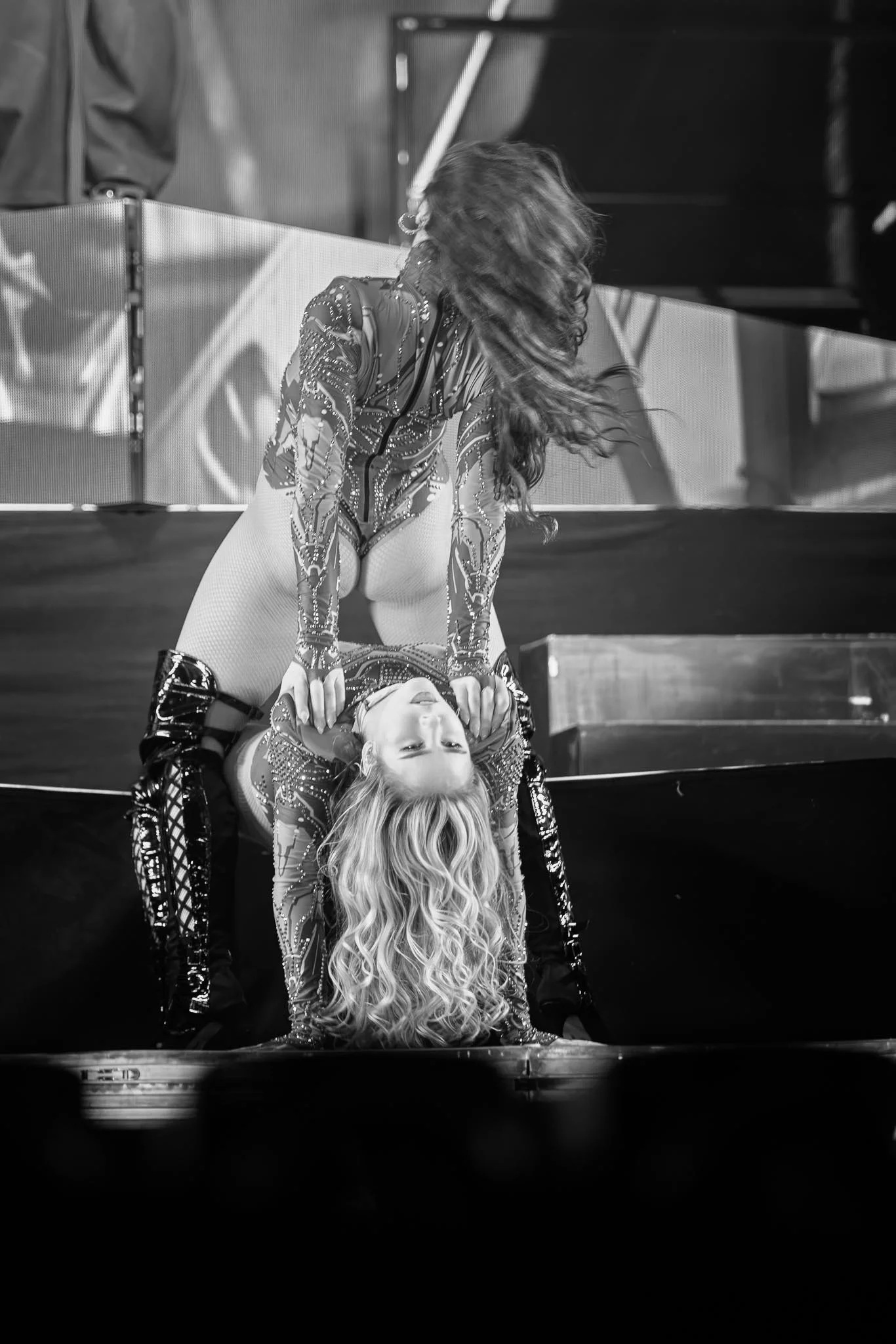
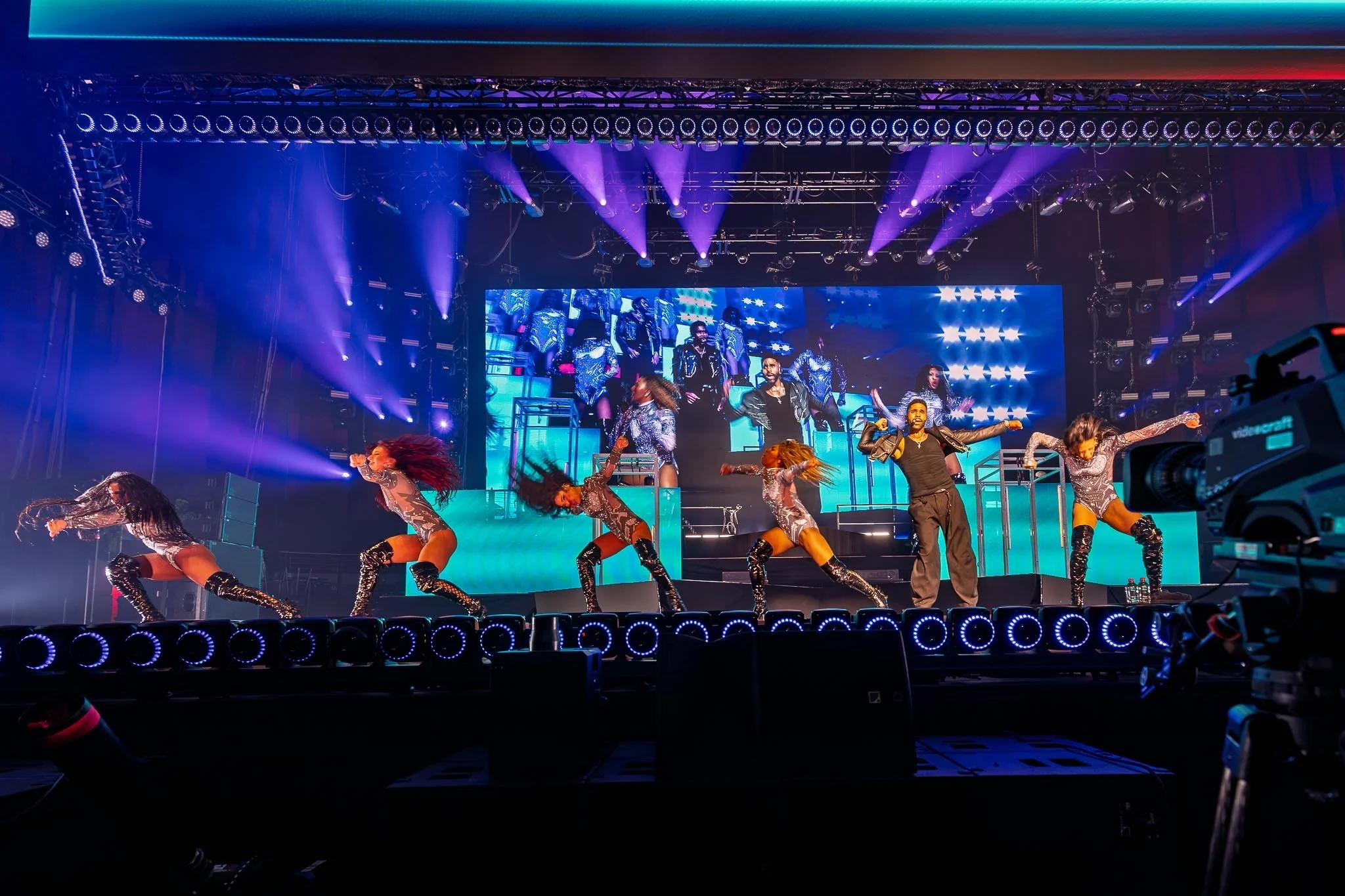
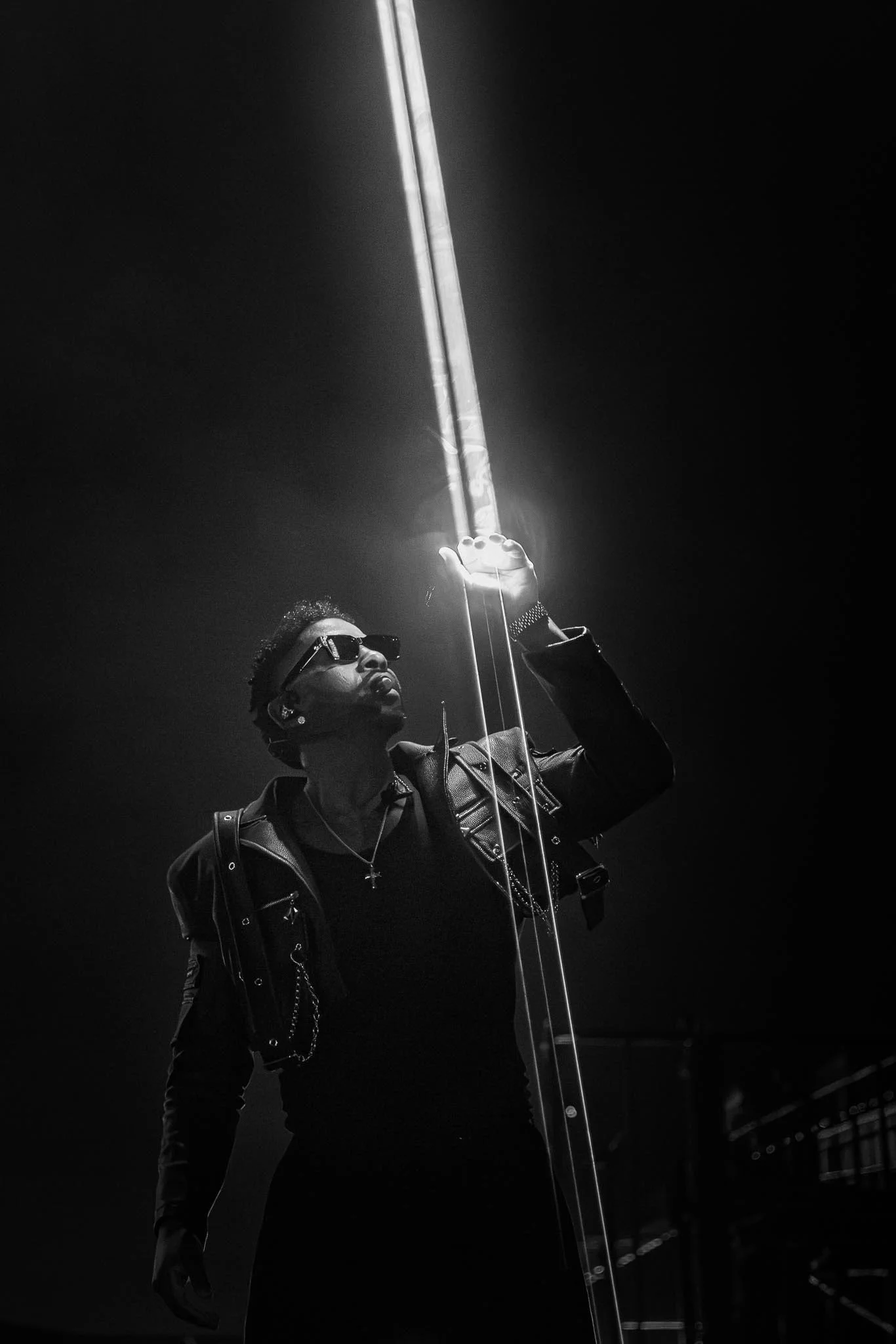
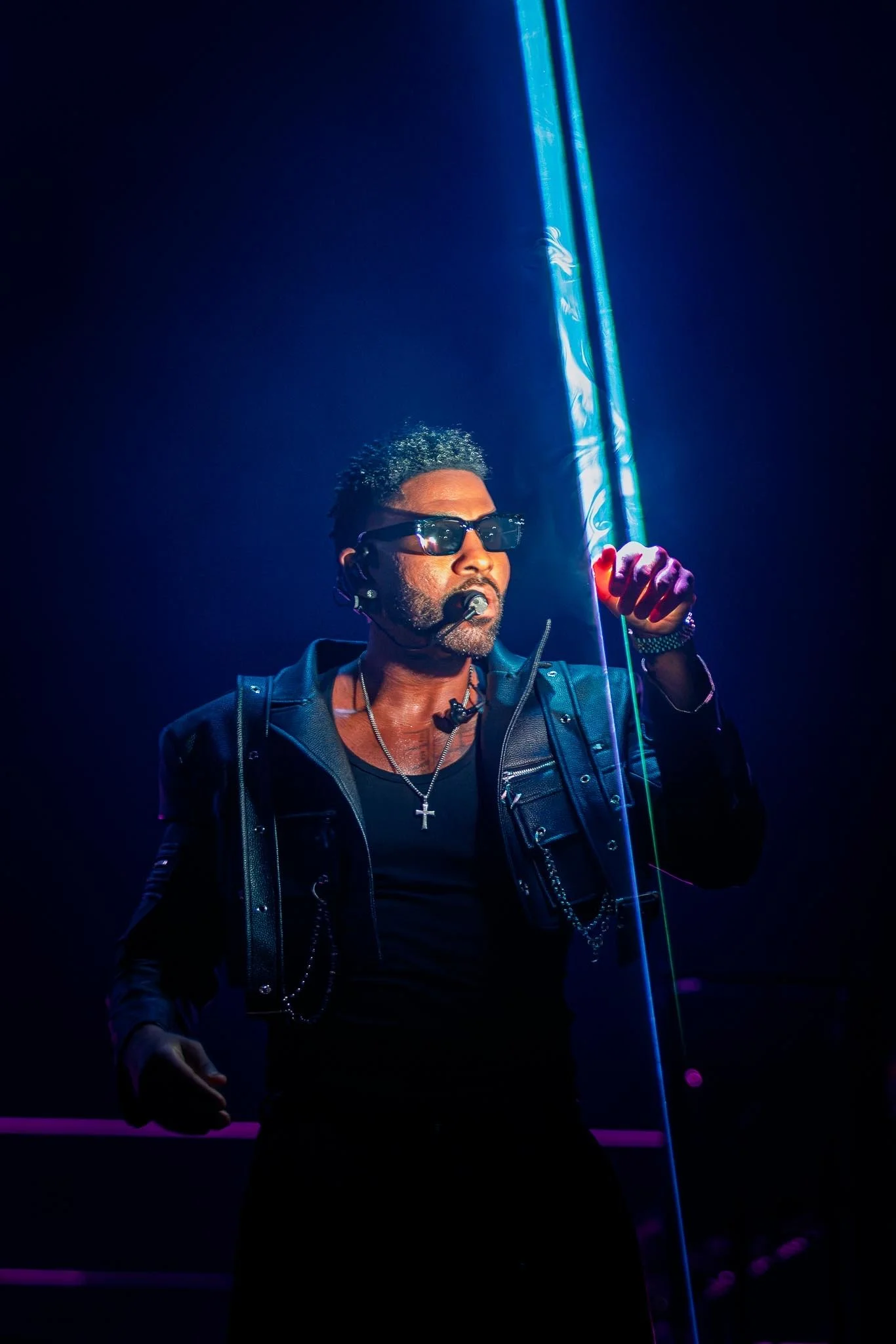
Very early in the show came the first image that told you exactly how ambitious the production was going to be. Lasers stretched from floor to ceiling through thick haze, creating what looked like solid shafts of light. Derulo stood behind them and began moving his hands through the beams, cutting across them and pulling at them almost as though he were playing some strange futuristic instrument. It felt less like lighting and more like something physical he could control. Then, in a wonderfully theatrical piece of illusion, he appeared to grab one of those beams, pull it free and plant it into the stage, where it remained.
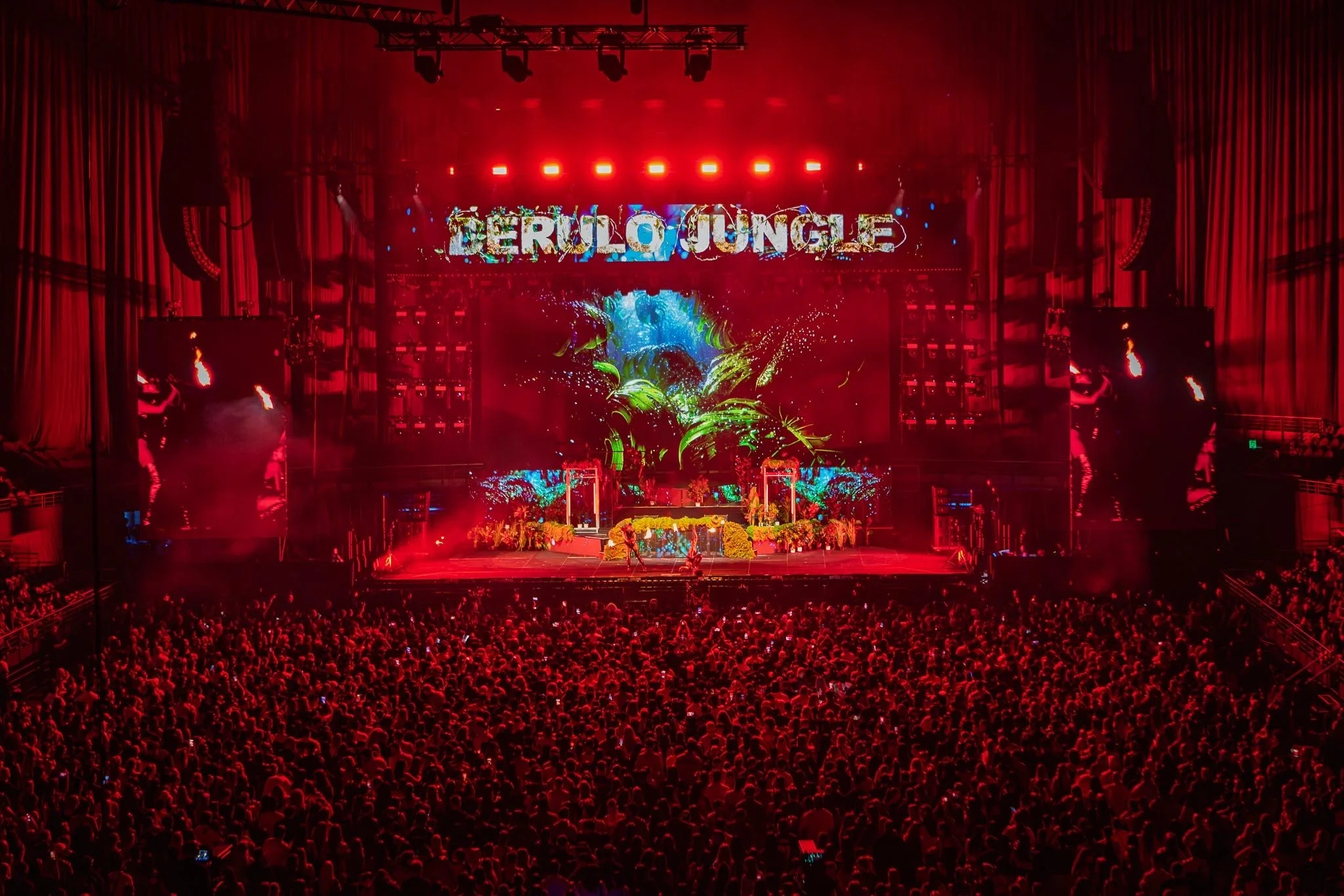
Somebody near me simply said, “What the hell?”. Fair assessment. The screens behind the stage were not merely giant televisions showing close-ups. They became part of the scenery. At one point we entered a vivid “Derulo Jungle”, the video wall filled with lush imagery while blue and green light washed across the dancers. Later we would visit somewhere considerably hotter, but before that came one of the prettiest sequences of the night.
A huge glowing moon appeared through the haze just before It Girl. The stage softened, smoke drifting through the light, before lasers traced what looked like shooting stars across the darkness. For a show so determined to hit you with fire, bass and bodies, it was unexpectedly beautiful.
“Where are my It girls at?”. Apparently, everywhere. Half the arena seemed to rise at once. It Girl, Complicated and Riding Solo landed as a glorious run of recognition, the kind of songs that remind you just how deeply certain pieces of pop music bury themselves into people’s lives. These weren’t people politely remembering old singles. They knew them. They owned them. They screamed the openings and filled the choruses.
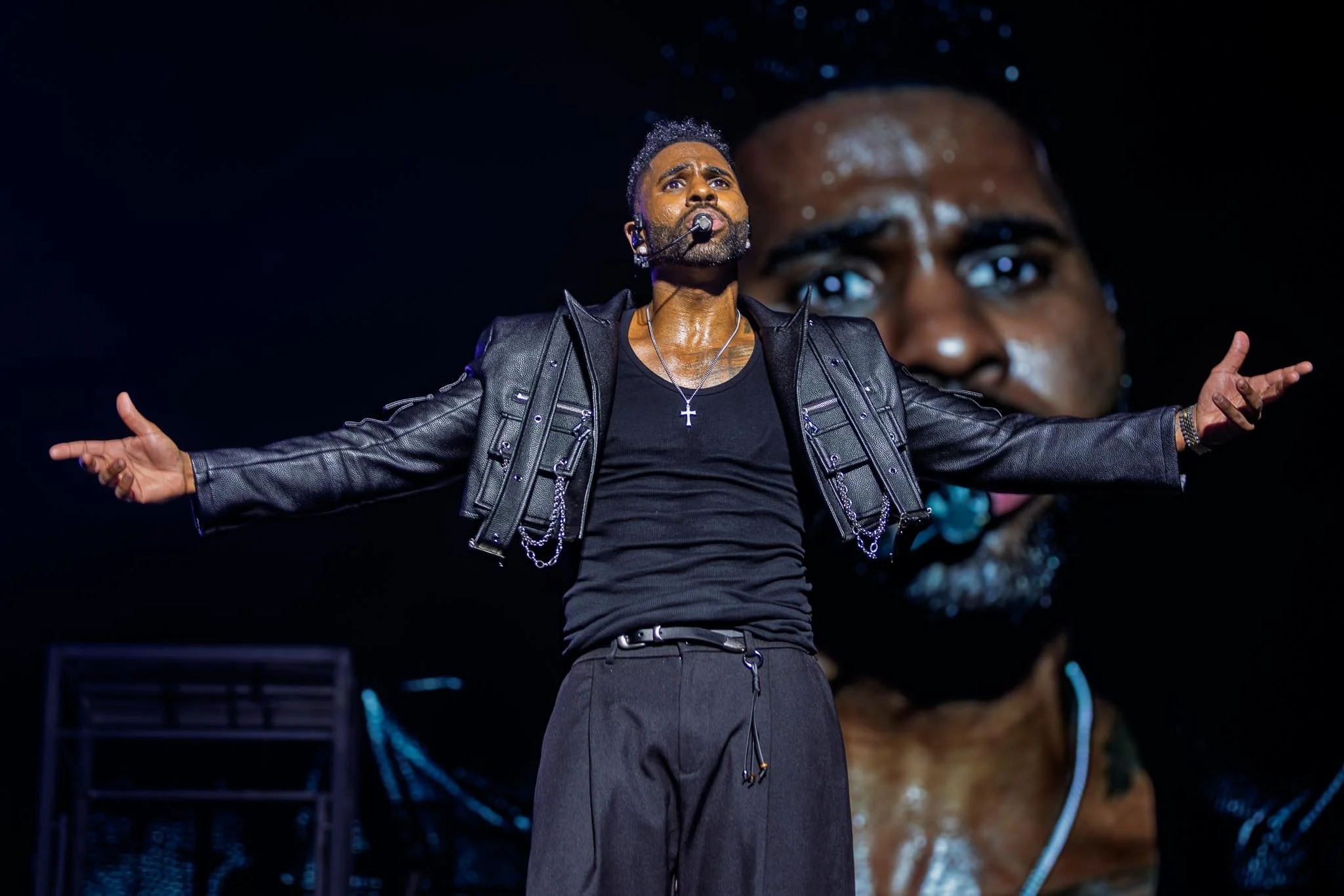
Then the mood shifted again. The stage dropped into a deep red glow, somewhere between a smoky 1950s cabaret room and a nightclub you perhaps wouldn’t mention to your accountant. The dancers slowed everything down, the choreography became considerably more seductive, and Derulo slipped into Nina Simone’s Feeling Good. By this stage it was fair to say that everybody in the arena was. Spicy Margarita and Take You Dancing pushed the room back towards its Latin-flavoured party pulse before Savage Love became one of those huge arena singalongs where the artist almost becomes optional. Thousands of voices took over, then Derulo pulled things right back and gave his voice some space. It was a useful reminder, amid all the choreography, fire, screens and spectacle, that the bloke can genuinely sing. He moved comfortably between a strong full voice and falsetto, sounding particularly impressive whenever the arrangements opened up enough to leave him exposed. In a show this meticulously produced there are obviously layers, tracks and technology supporting what happens on stage, but when the production stepped aside, Derulo sounded more than capable of holding his own.
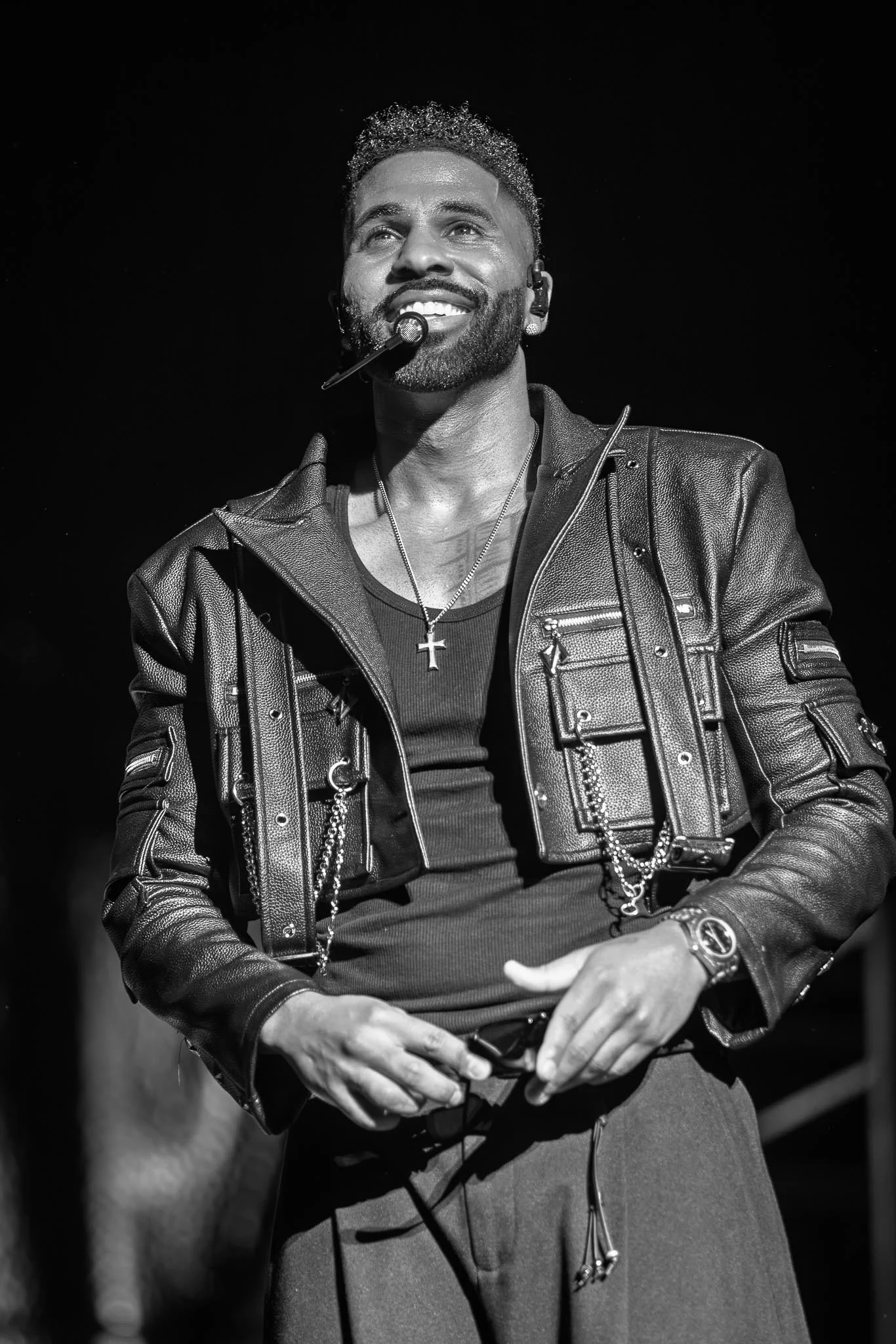
And then there was the bass. There is bass you hear, bass you feel, and then there is bass that appears to bypass the ears altogether and head straight for the organs. Some of the sub drops were among the deepest I have experienced at a live show. Seats vibrated. Clothing moved. The whole room seemed to flex. At one point I became briefly concerned that my internal organs had started a mosh pit of their own. Great bass should be felt as much as heard. This certainly was.
Through In My Head, Love Tonight and The Other Side, the pace barely relaxed. During Love Tonight, Derulo left the stage and headed into the crowd, accompanied by possibly the largest security guard I have ever seen. If Derulo had taken a wrong turn and simply kept walking, this bloke looked capable of scooping him up under one arm and returning him to the stage without breaking stride. The crowd loved the proximity.
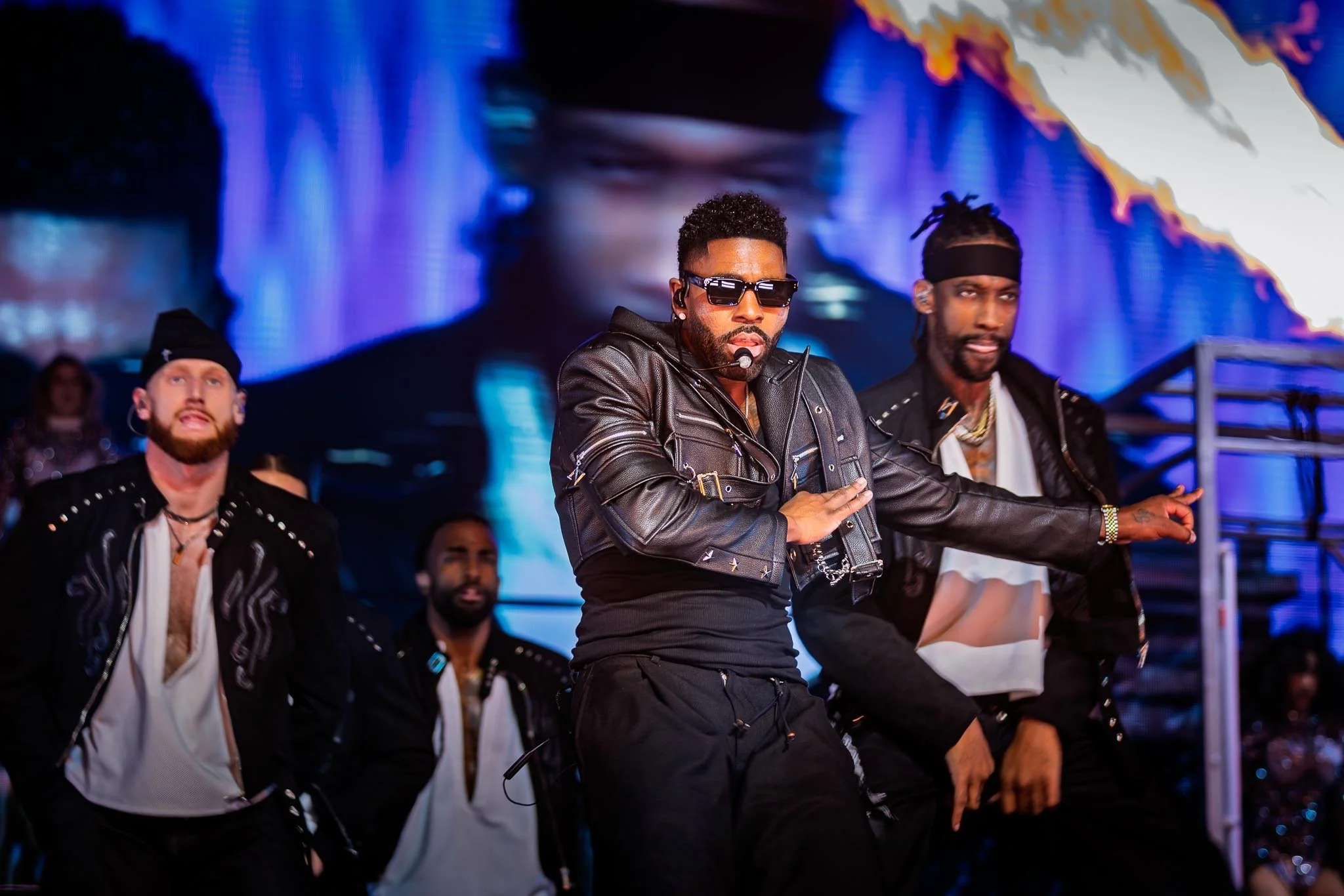
Then, as quickly as we had left the jungle and crossed the dance floor, we arrived at the Derulo Volcano. The screens filled with molten lava. Everything turned red. Flames appeared in the hands of dancers and pyro erupted around the stage as Let Me Be the One unfolded against an apocalyptic backdrop. It was magnificently excessive. Cheyenne gave the band room to flex some muscle, with huge drums rolling through the arena and a screaming guitar solo cutting through the electronic production. That was another important part of the evening. For all the programmed elements surrounding modern arena pop, there was a powerful live band sitting underneath it, with guitar, keys and percussion adding real weight whenever the arrangements opened up.
Breathing kept the momentum going and, by now, it was genuinely difficult to know where to look. The dancers. The screens. The flames. Derulo. More dancers. More flames. Someone flying through the air. And, just in case there remained a single confused person somewhere up in the back row, another strategically placed “Jason Derulo”.
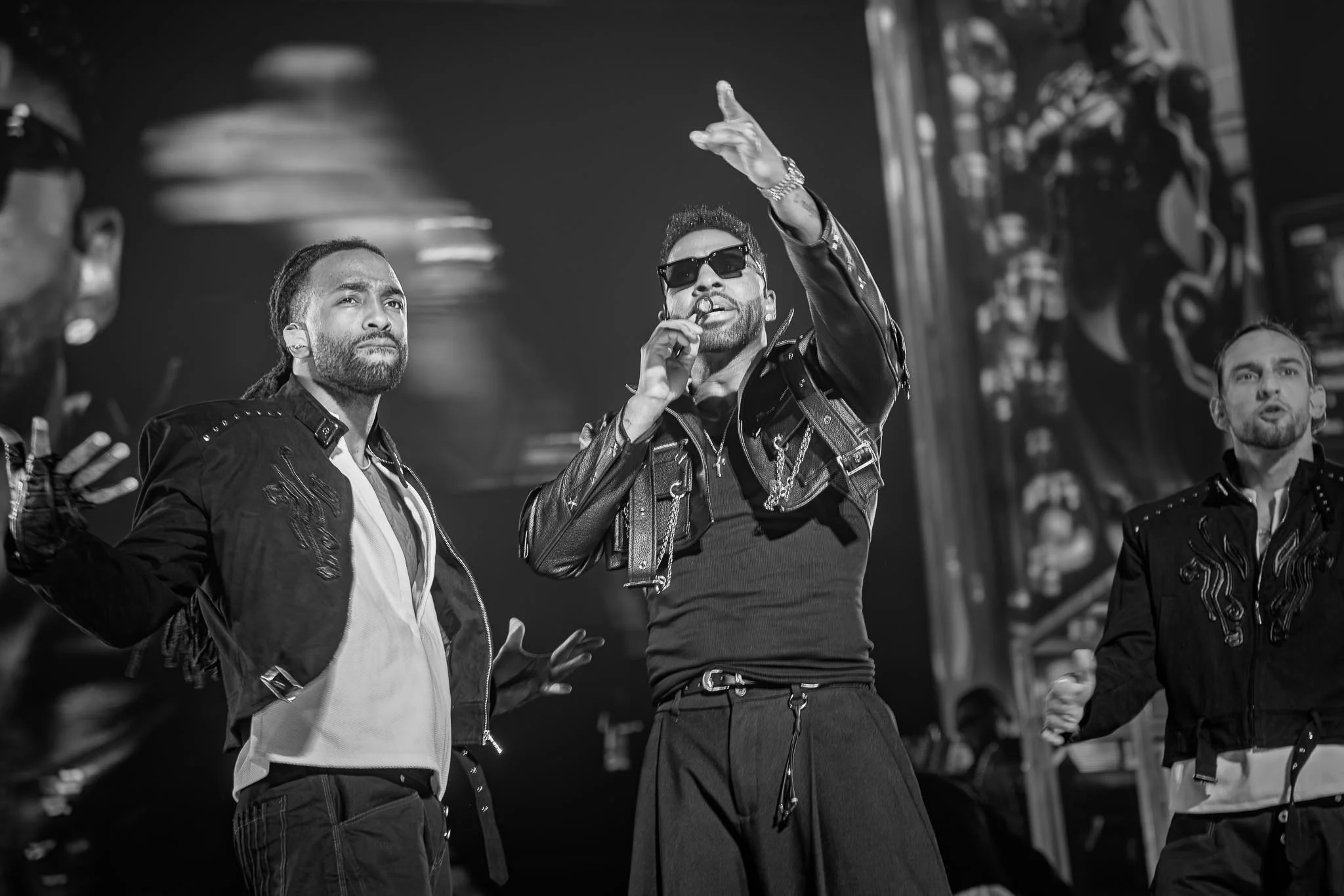
There was another clever change of pace when DJ Sin came forward and reminded the crowd that Derulo’s catalogue reaches considerably further than the songs bearing his own name. He has written, produced and featured across an enormous amount of pop music and, given that Sin was his DJ, he wondered whether Sydney might mind if he played some of it. Sydney did not mind. The dancers joined him while Sin slipped into full old-school MC mode, prowling the front of the stage and whipping the arena through a rapid run of recognisable songs. When I Gotta Feeling appeared, the response was instant. Tonight, apparently, really was going to be a good night.
But one of the genuine goosebump moments arrived shortly afterwards. Derulo returned and asked everybody to turn on the torches on their phones. Thousands of tiny white lights appeared around the arena. He began Trumpets, singing the opening lines before letting the crowd take over. From my position the room suddenly looked enormous, every tier dotted with lights while thousands of voices rose from all directions. Then the beat dropped. Cannons across the front of the stage fired streamers high into the air. Light, confetti, music and thousands of raised arms collided in one enormous release. It was one of those moments when you stop analysing a show, stop looking for the next photograph and simply enjoy being inside it.
Of course, there remained one important piece of Jason Derulo concert business to attend to. The shirt. It was only a matter of time. By Want to Want Me, Derulo had finally dispensed with it, an artistic decision warmly endorsed by a substantial portion of the room. “There we go,” laughed one woman nearby, with the satisfied air of someone whose evening had finally delivered on a contractual obligation. Whether it was the song, the absence of clothing or some complex interaction between the two, Want to Want Me may have produced the biggest reaction of the entire night. What could easily have been the finale instead became the beginning of the goodbye.
Derulo gathered the people who had built the show around him and began giving credit away. He thanked DJ Sin, saying he had changed DJing forever. He praised the musicians behind him, described the show as the product of an extraordinary collection of creative people, and acknowledged the many people working behind the scenes who would never appear beneath the lights. For all the swagger built into the Derulo persona, there was something genuinely warm about it. Then the tone shifted. “This is a dream come true,” he told Sydney. He talked about the thing people go to bed thinking about and wake up still thinking about. The dream that keeps returning. The thing that makes them happy. Go after it. Ignore the people who say you’re too old, too young or that it simply cannot happen. “Derulo says I can.” It could have become cheesy very quickly. Somehow it didn’t.
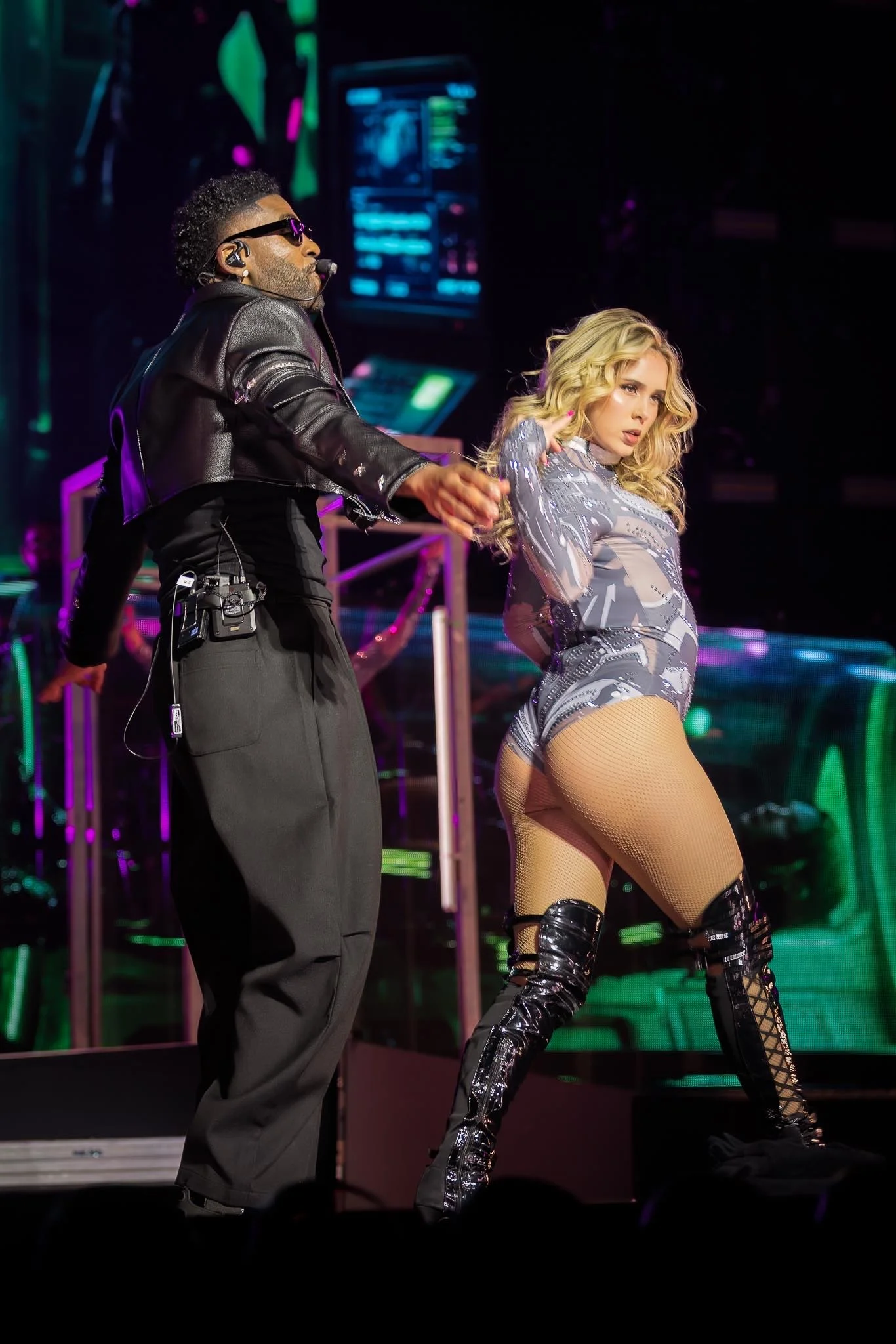
Perhaps because, standing in the middle of that enormous production surrounded by dancers, musicians, lasers, flames and thousands of people, Derulo was quite literally living the argument he was making. You don’t sell somewhere in the region of 250 million records worldwide, build a career spanning decades and continue filling arenas around the world without an almost unreasonable amount of work happening when nobody is watching. Talent gets you started. Relentlessness takes you considerably further. And with that, there was time for one more. Mi Chico sent Sydney back out into the night the same way it had spent most of the previous couple of hours, moving, shouting and smiling.
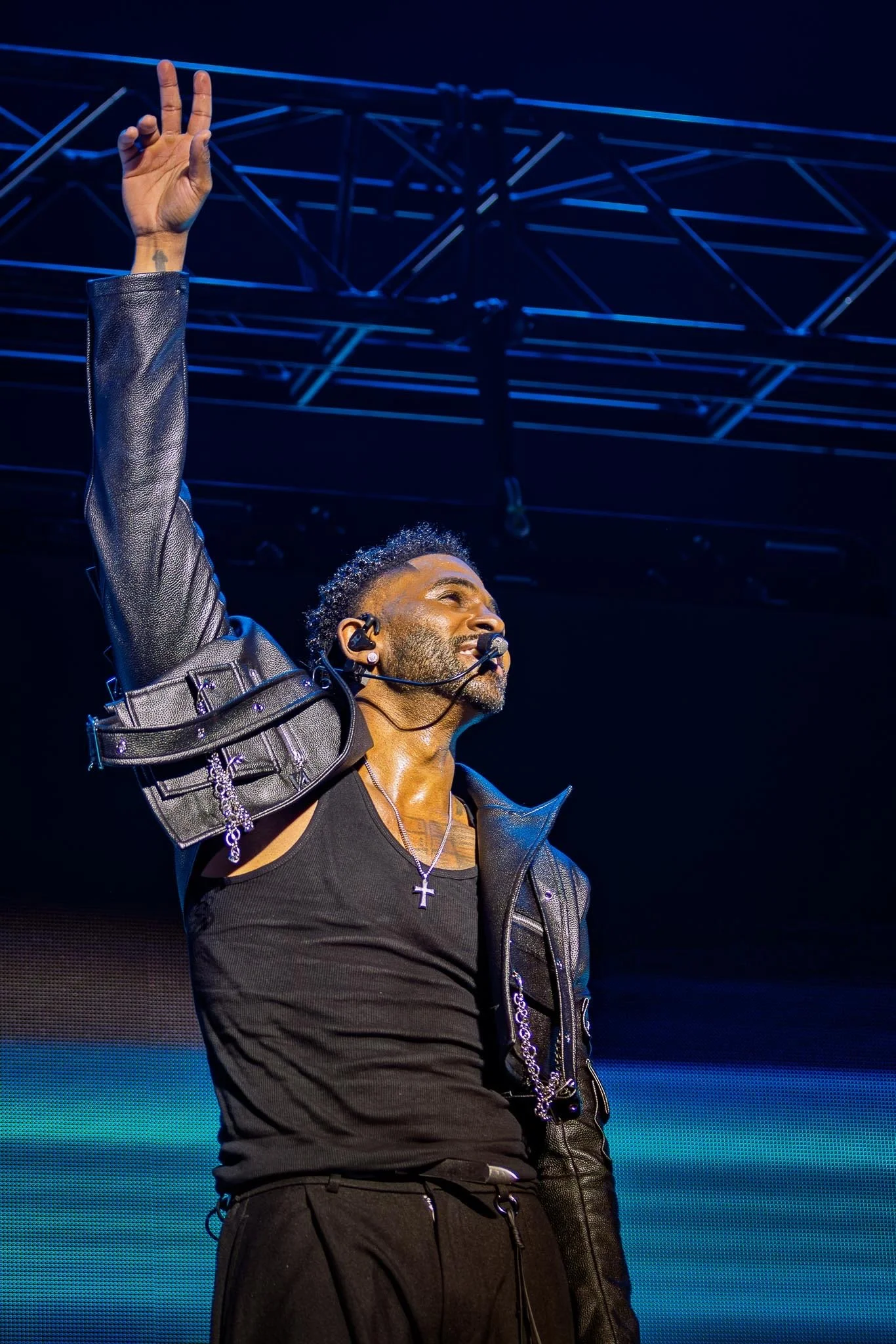
The Last Dance World Tour is the sort of show that reminds you why arena pop, when it is done properly, can be such ridiculous fun. There were quieter musical moments, genuinely impressive vocals and a live band capable of bringing real weight when required, but fundamentally this was an experience built to overwhelm the senses. The choreography was exceptional. The lighting and video design were among the best I have seen integrated into a live production. The pyro was relentless without ever feeling pointless, the dancers were extraordinary, and Derulo himself worked at a level that left you wondering where the energy came from. But perhaps the nicest thing was that beneath all the machinery there remained a visible sense of gratitude. He knew exactly how big the room was, exactly how fortunate he was to still be filling it, and exactly how many people it took to make Club Derulo happen.
Sydney didn’t just Want to Want Me. By the end, it wanted one more.
Gallery https://musicfestivalsaustralia.com/event-photos/jason-derulo-the-last-dance-world-tour-sydney
Thank you to Jason Derulo, TEG Live, On The Map PR and the Afterpay Arena for having us along.
Review and Photos by Andy Kershaw for Music Kingdom Australia